
Technical insights and industry updates
- 110 articles
- 18 case studies
- Written by our consultants
All articles
53 articles on flood risk, engineering and planning.
Full Consent Granted at The Three Chimneys, Isle of Skye
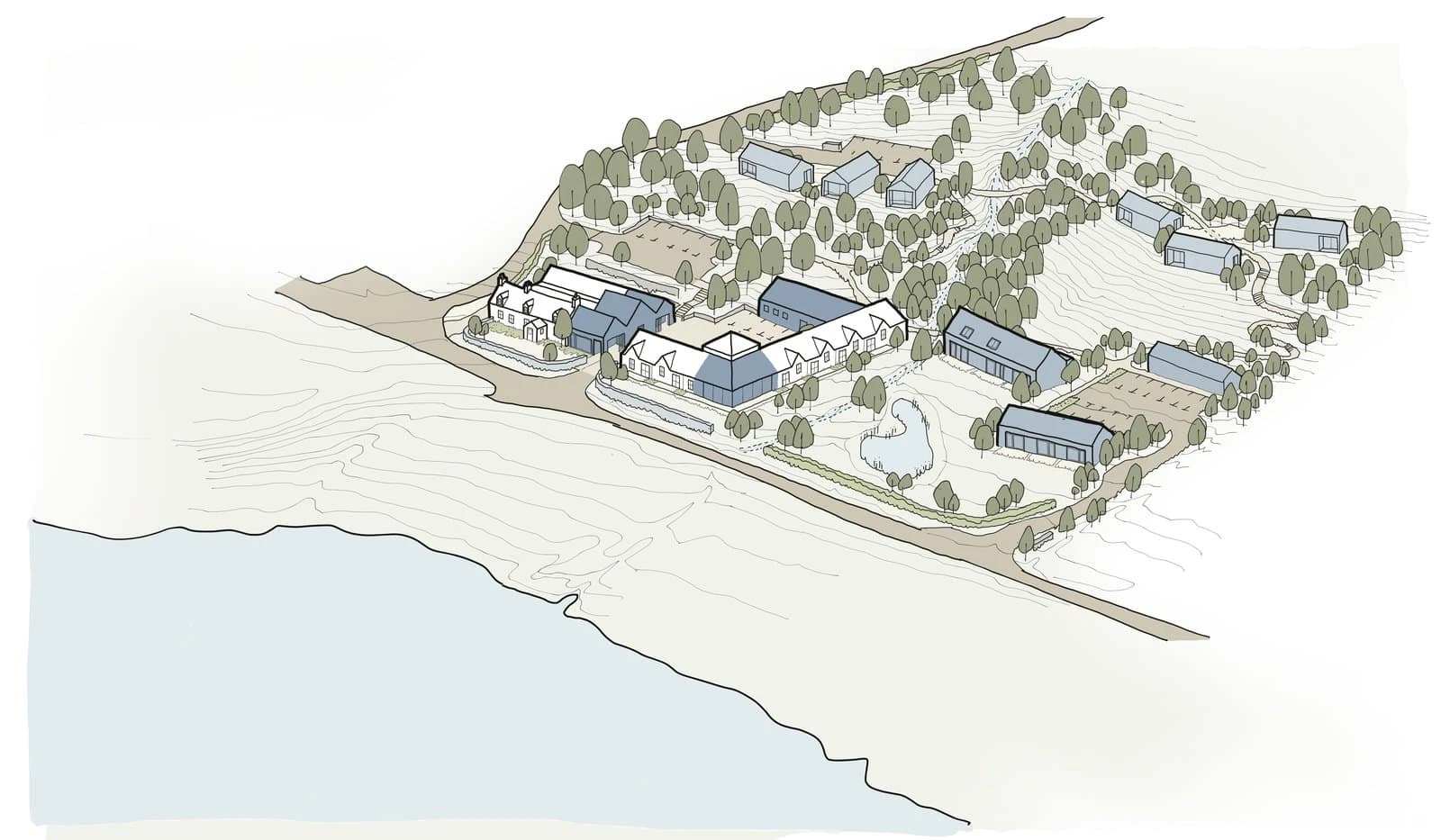
Hydraulic modelling and a revised site layout helped withdraw SEPA objections and secure full planning consent for The Three Chimneys on the Isle of Skye.
Read more
Five years at Aegaea: a retrospective.
When I joined Aegaea in September 2021, I was employee number five. There are over thirty of us now. There have been major changes in flood risk policy, planning requirements and national flood mapping coverage, and somewhere in the middle of it all I spent three months on a beach and got married. This is a short celebration of a very good five years.
Read more
New NPPF 2026: What Does It Mean for Flood Risk? | August 2026 Update
The Government published a new National Planning Policy Framework (the NPPF, which refers to itself as “the Framework”) on 17 August 2026. Flood risk now has a chapter of its own, the SuDS rules have widened, and data centres have become essential infrastructure. Below is what has changed, what has simply moved, and what it means for your site.
Read more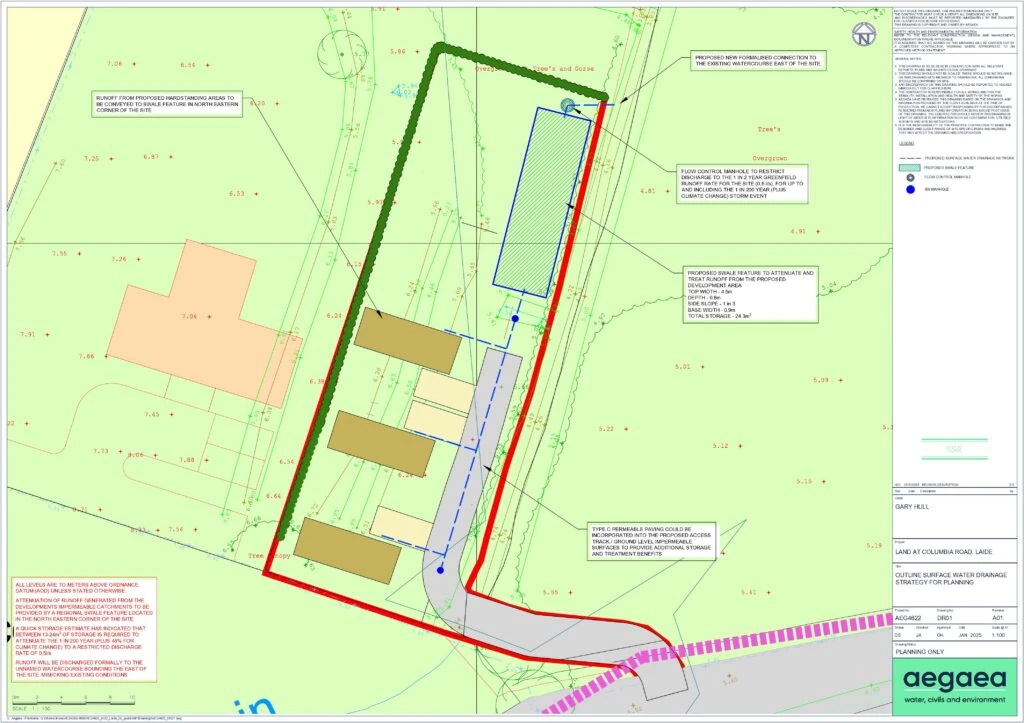
Flood Risk Assessment, Hydraulic Modelling and Drainage Strategy for a Holiday Development on Scotland’s NC500
Aegaea was commissioned to support a proposed holiday accommodation development in Laide, a village on Scotland’s North Coast 500 (NC500) route overlooking Gruinard Bay. Our team delivered a Flood Risk Assessment (FRA), bespoke fluvial hydraulic modelling and a surface water drainage strategy to demonstrate that the site could be safely developed despite fluvial and coastal flood risk constraints.
Read more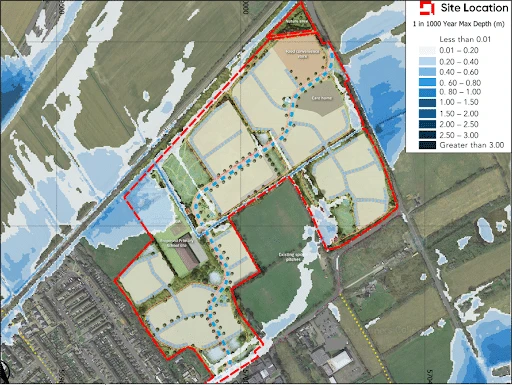
Flood Risk Assessment and Pluvial Hydraulic Modelling for Residential Development in Essex
Aegaea provided site-specific pluvial hydraulic modelling, Flood Risk Assessment (FRA), and surface water and foul drainage strategies to support an outline residential-led mixed-use development in Essex.
Read more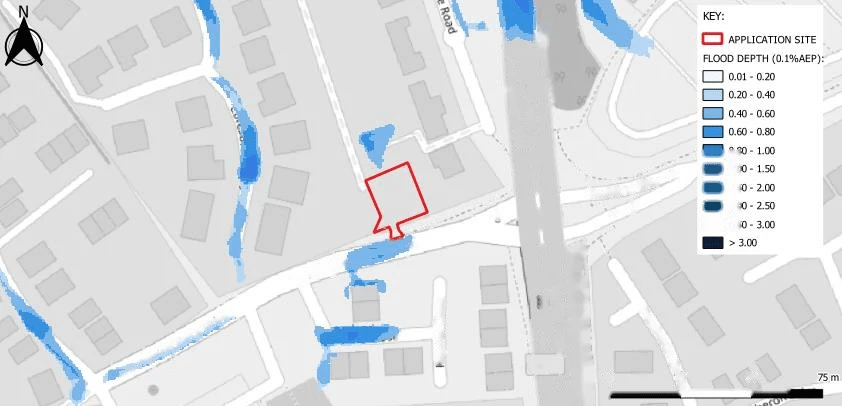
Surface Water Flood Map Challenge Supporting Residential Development in Woking
Aegaea provided a National Planning Policy Framework (NPPF) compliant Flood Risk Assessment (FRA) and site-specific surface water flood modelling using industry standard best practice software TUFLOW, to support a residential planning application for a single dwelling in Woking, Surrey.
Read more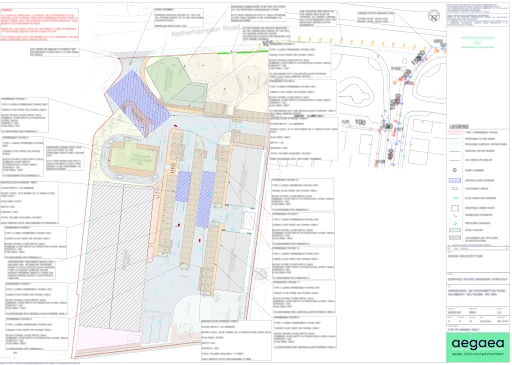
Surface Water Drainage Strategy and Flood Risk Assessment for Brownfield Commercial Redevelopment
Aegaea provided specialist NPPF and NPPG compliant Flood Risk Assessment (FRA) and surface water drainage strategy consultancy to support a brownfield mixed-use commercial only redevelopment in Wiltshire. The Drainage Strategy was submitted in accordance with the 2025 National Standards for SuDS.
Read more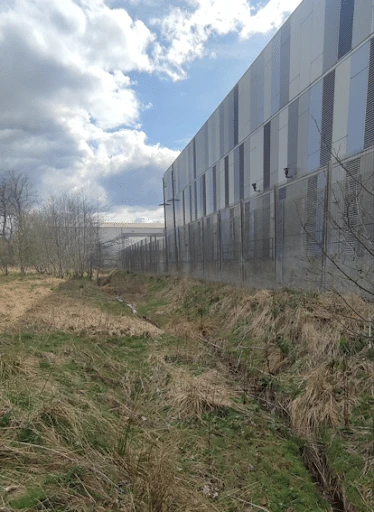
Hydraulic Modelling Supporting a Data Centre Expansion in Chapelhall, North Lanarkshire
Aegaea provided site-specific 2D flood modelling using industry recognised best practice software (TUFLOW), and a Flood Risk Assessment (FRA) to support the expansion of an operational data centre at Chapelhall, North Lanarkshire.
Read more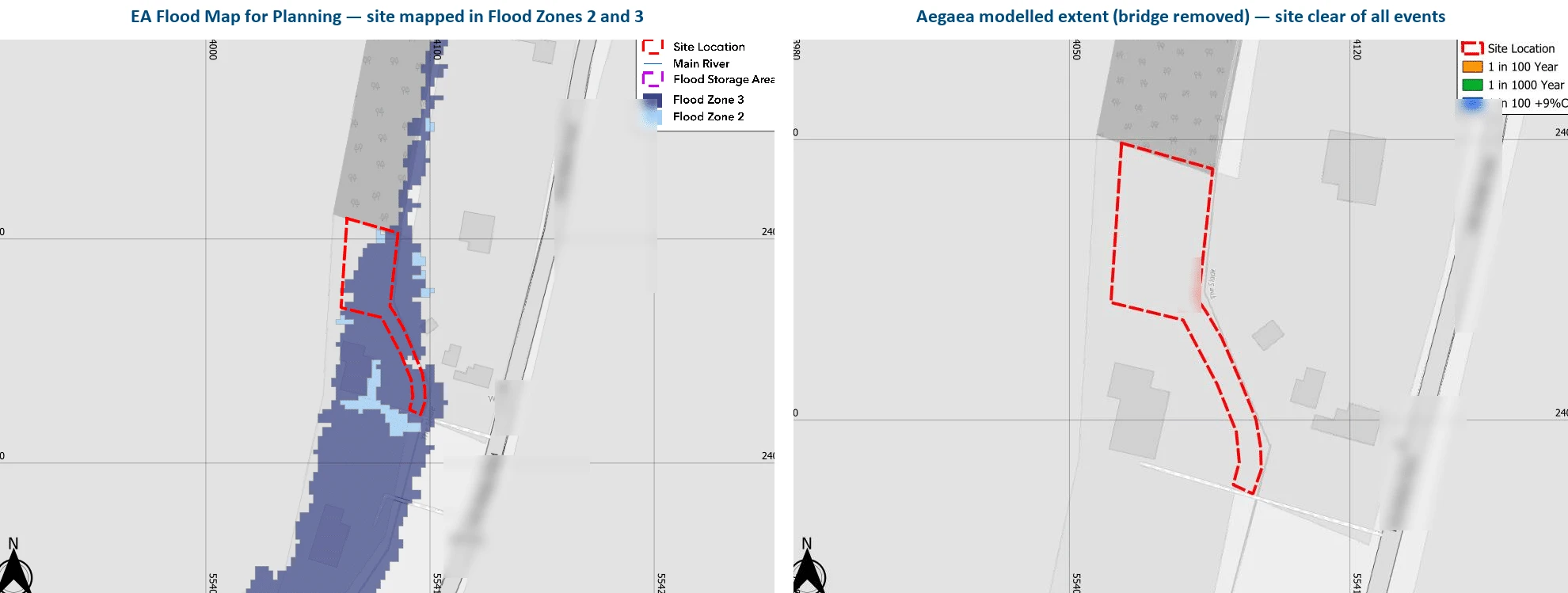
Site-Specific Hydraulic Modelling Supporting Permission in Principle in Uttlesford, Essex
Aegaea provided site-specific 1D-2D hydraulic modelling and a Flood Risk Assessment (FRA) to support a Permission in Principle (PiP) application for a single dwelling in Uttlesford, Essex. The site was mapped within Flood Zones 2 and 3 on the Environment Agency’s Flood Map for Planning, and the application had attracted a formal Environment Agency objection prior to Aegaea’s involvement.
Read more
Navigating the Future of Housing: Why Better Data Means Safer New Builds
Following Aegaea’s Director, Daniel Cook, on ITV’s Tonight, we explore how improved flood data is reshaping risk and supporting safer development.
Read more
Sequential Test methodology for community-led housing in Southwark
Aegaea supported community-led housing provider Leathermarket CBS with Sequential Test and flood risk consultancy for two residential schemes in Southwark (SE1).
Read more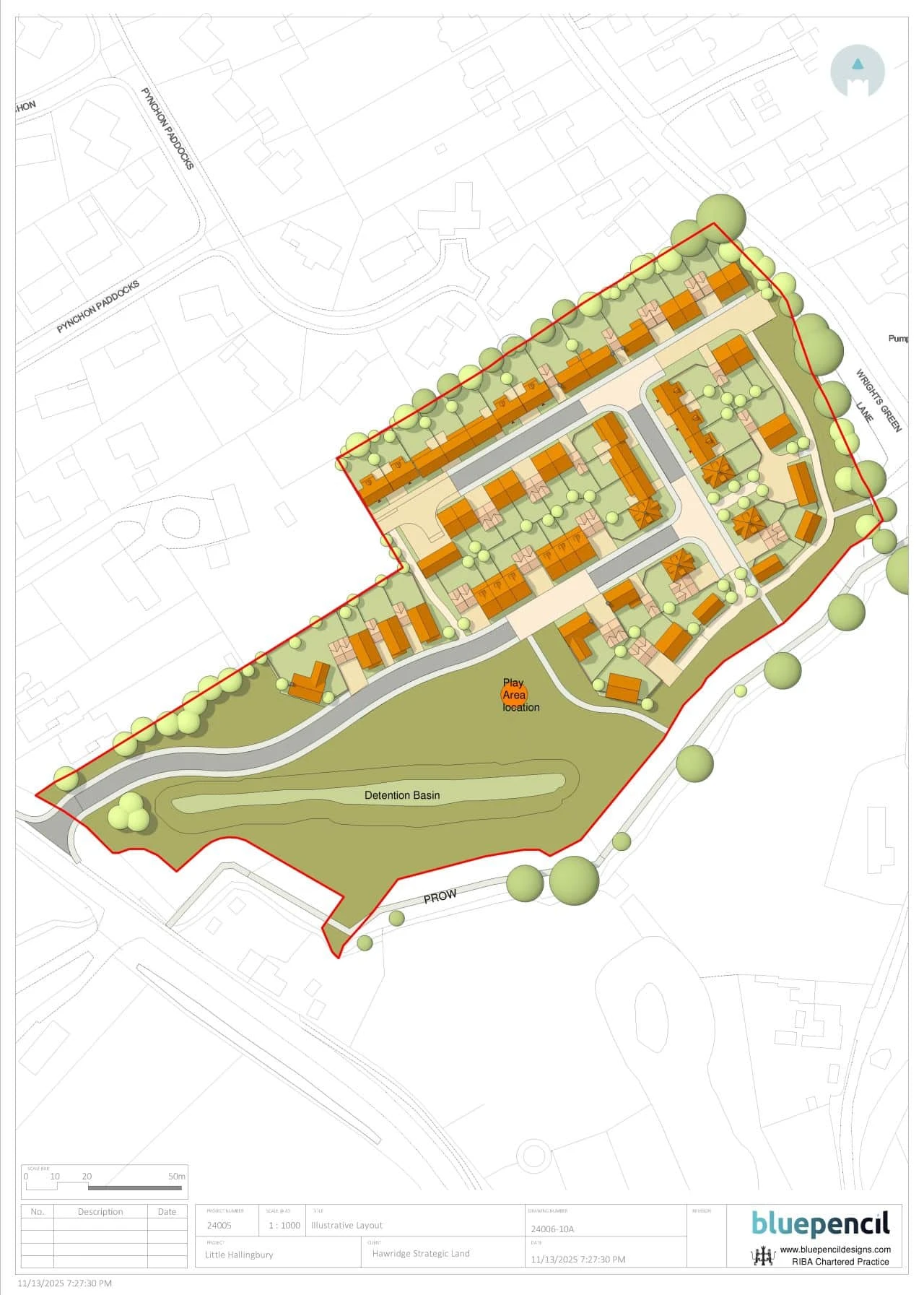
Little Hallingbury, Essex – Flood Risk & Drainage Support for Grey Belt Residential Development
Aegaea provided flood risk and drainage consultancy to support a residential development at Little Hallingbury, Essex, which has successfully secured planning permission following approval at planning committee.
Read more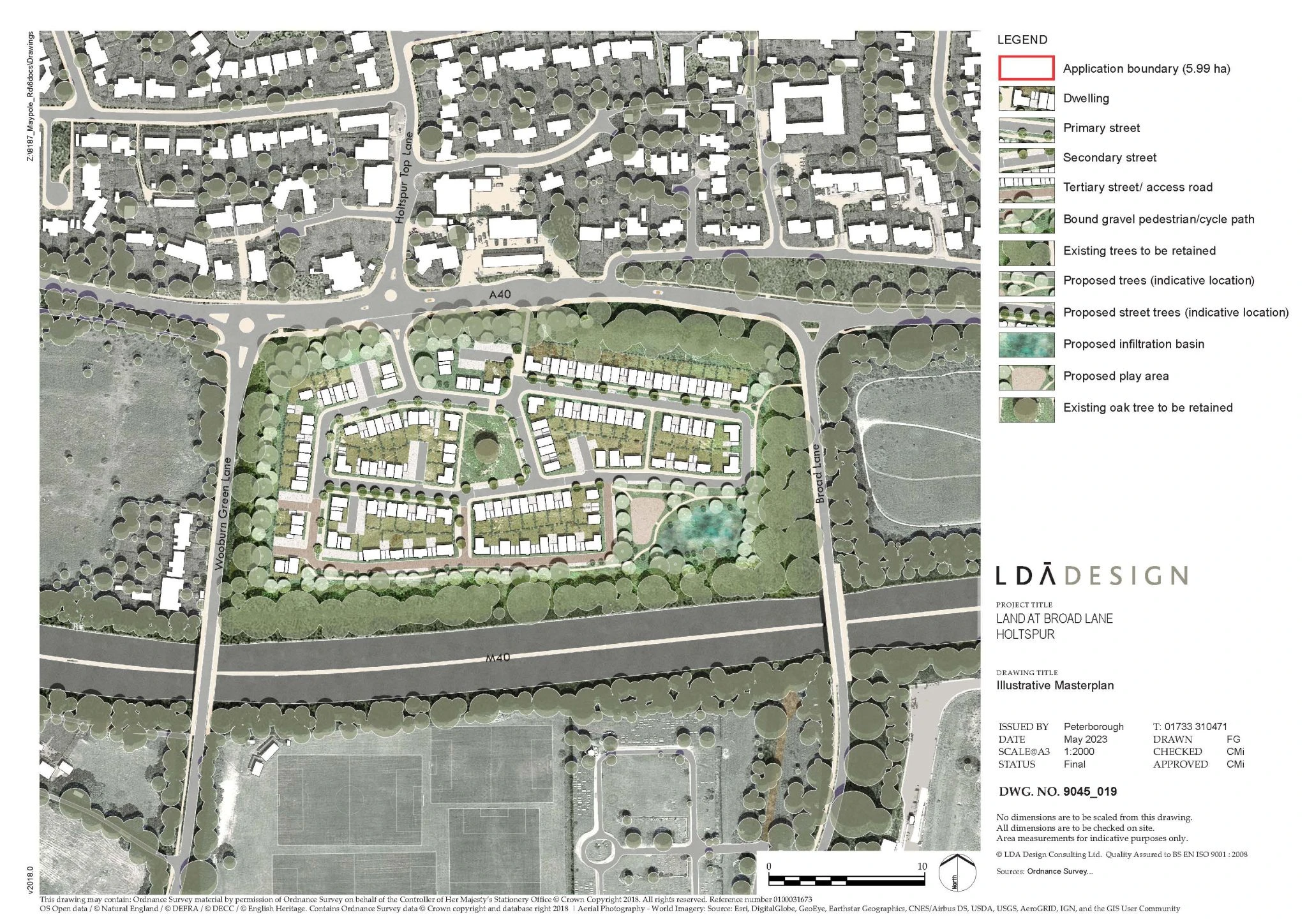
Broad Lane, Beaconsfield – Flood Risk Assessment & Drainage Support for Residential Planning Appeal
Flood risk and drainage evidence for a proposal of up to 120 homes at Broad Lane, Beaconsfield, through a planning appeal and public inquiry.
Read more
How long does a Flood Risk Assessment take?
When preparing a planning application, one of the most common questions developers and homeowners ask is: how long does a Flood Risk Assessment take?
Read more
Help me find a Flood Risk Consultant – what to look for when choosing the right support for your development
Choosing the right flood risk consultant early can be the difference between a smooth planning approval and costly delays.
Read more
Can I write a Flood Risk Assessment myself?
If you have been told your planning application requires a Flood Risk Assessment (FRA), you might be wondering: can I write a Flood Risk Assessment myself?
Read more
Scotland’s New BESS Planning Guidance – What Developers Need to Know
On 19 March 2026, the Scottish Government published its first dedicated planning guidance for Battery Energy Storage Systems (BESS), prepared by Ironside Farrar with input from SEPA, NatureScot, SFRS, and industry. Here are our key takeaways.
Read more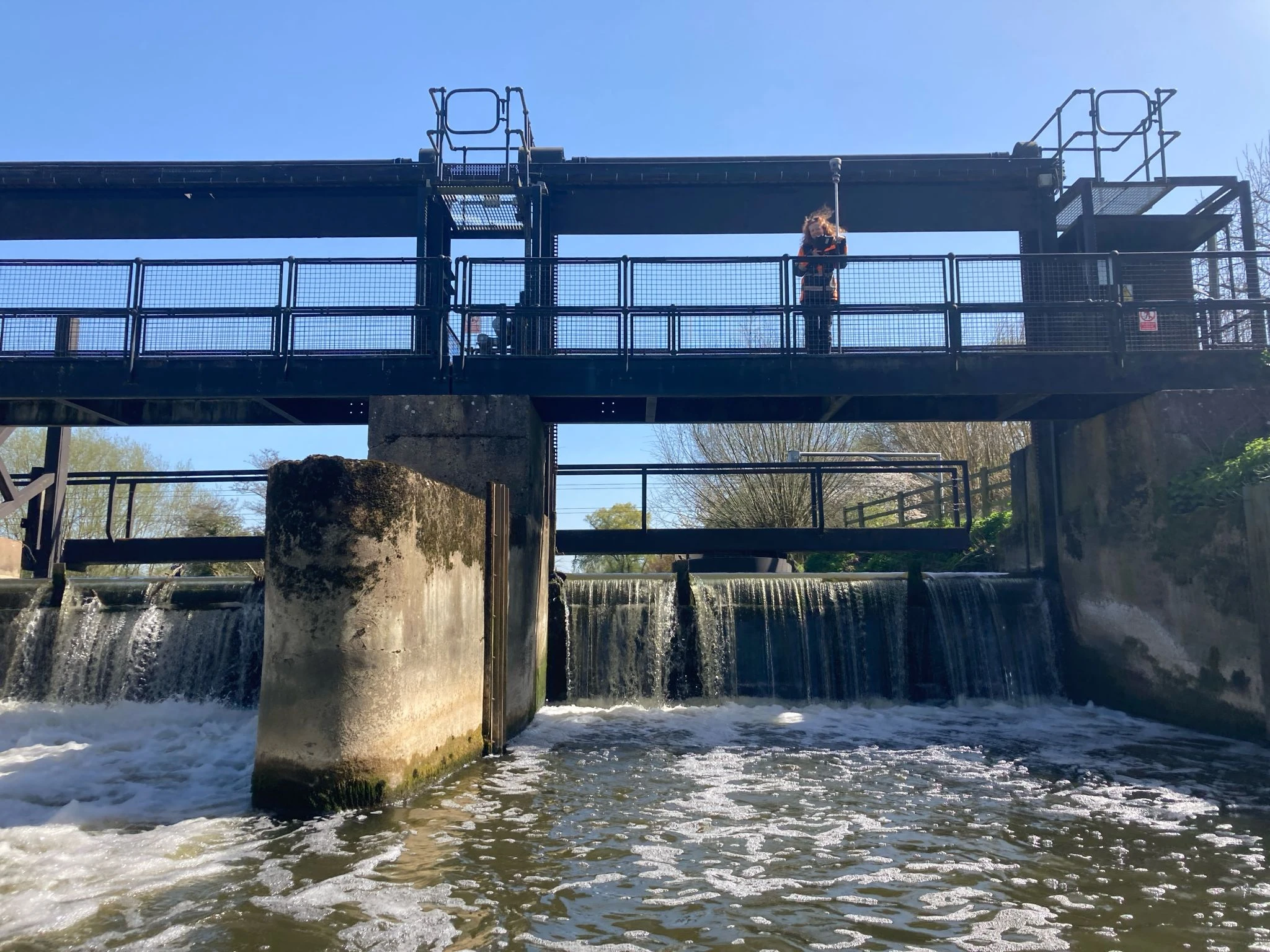
The Yearly Survey Planner: How to Schedule River Surveys for Better Flood Risk Outcomes
You know from blog 1 in this series, seasonal weather and ground conditions play a critical role in determining when river and watercourse surveys can be carried out most efficiently. Understanding these seasonal influences early can make the difference between a smooth survey programme and one affected by delays or escalating costs.
Read more
Flood Risk Assessment for DataVita’s North Lanarkshire UK AI Growth Zone
Supporting planning approval through a comprehensive, NPF4-compliant Flood Risk Assessment
Read more
Timing is Everything: How Seasons Impact Your Flood Risk Survey (and Your Deadline)
In the world of flood modeling, efficiency is everything. That is why Aegaea has partnered with Storm Geomatics to bring you a series of insights on how seasonality affects data capture, health and safety, and - most importantly - the delivery speed of your project. Our goal is simple: to help you provide the correct information at the earliest opportunity, expediting your results and improving delivery efficiency.
Read more
Navigating Complex Surface Water Risks & Sequential Test Changes in Ilford
Aegaea supported the Capital Gate redevelopment in Ilford by delivering targeted flood risk and drainage expertise, helping the project navigate significant surface water constraints and updated Sequential Test policy requirements.
Read more
Managing Complex Surface Water Flood Risk at the Dew Drop Inn Redevelopment
Aegaea was appointed to support the redevelopment of a public house into a mixed-use scheme comprising office space and residential flats, including the demolition of the existing building.
Read more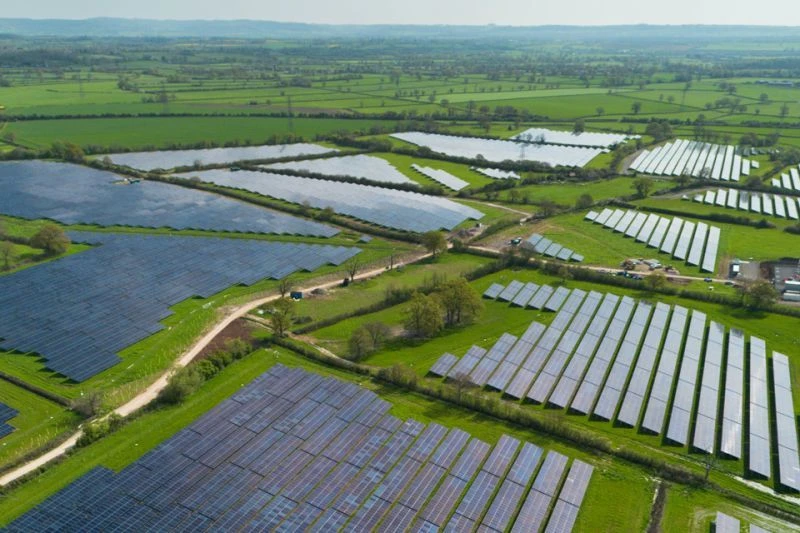
Helios Renewable Energy Project DCO – Flood Modelling for Solar Development
Aegaea’s site-specific flood modelling supported the Essential Infrastructure - Helios Renewable Energy Project DCO application, addressing complex flood risk for a solar and energy storage scheme.
Read more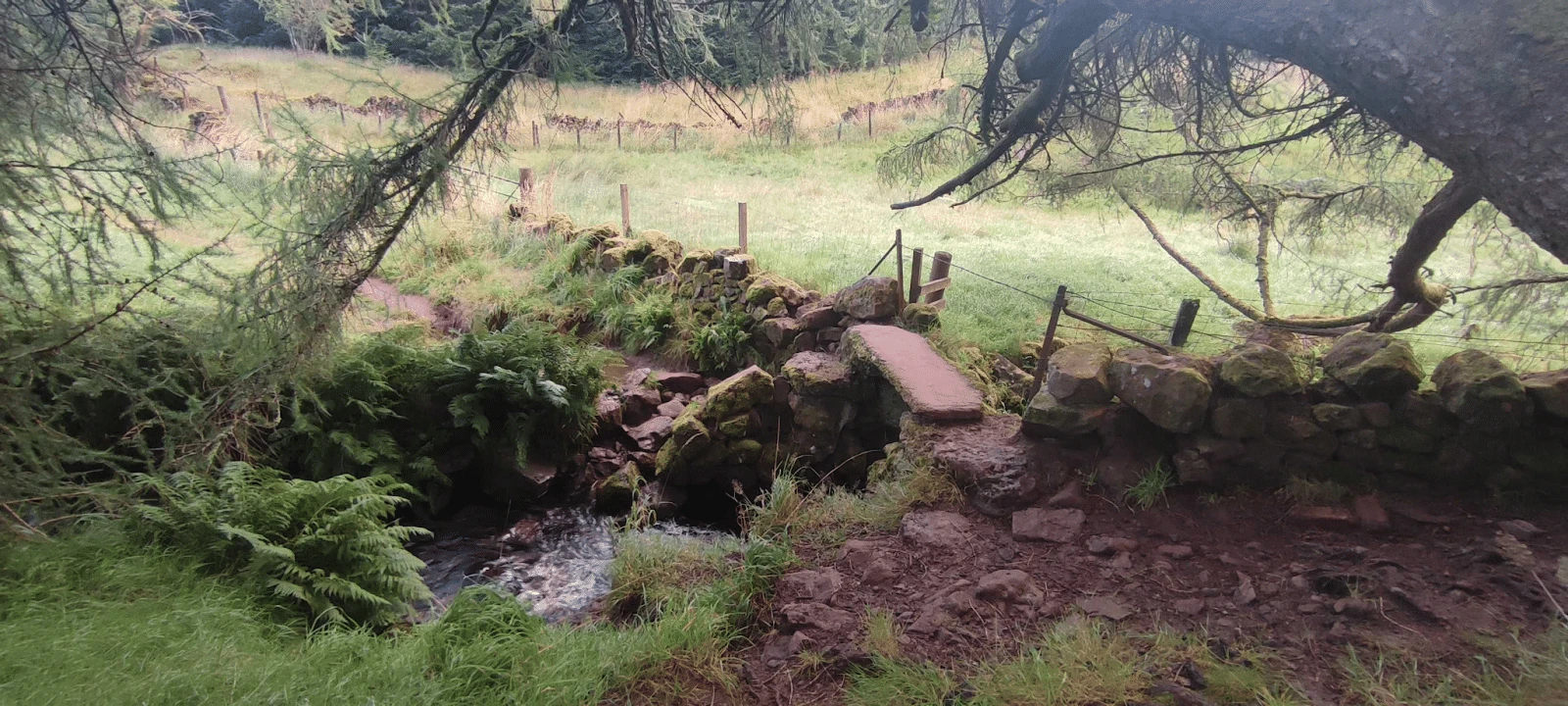
SEPA Pluvial Flood Maps 2023 vs 2025
SEPA has released one of the most significant updates to Scotland’s national flood mapping in recent years: the new Surface Water and Small Watercourse Flood Maps (SWSW Maps), published in March 2025. These maps replace SEPA’s 2023 Pluvial Flood Mapping dataset and introduce improved clarity, coverage, and climate change allowances for assessing flood risk across Scotland. Before looking at the updates, it's helpful to understand what SEPA's flood maps represent and why these changes matter.
Read more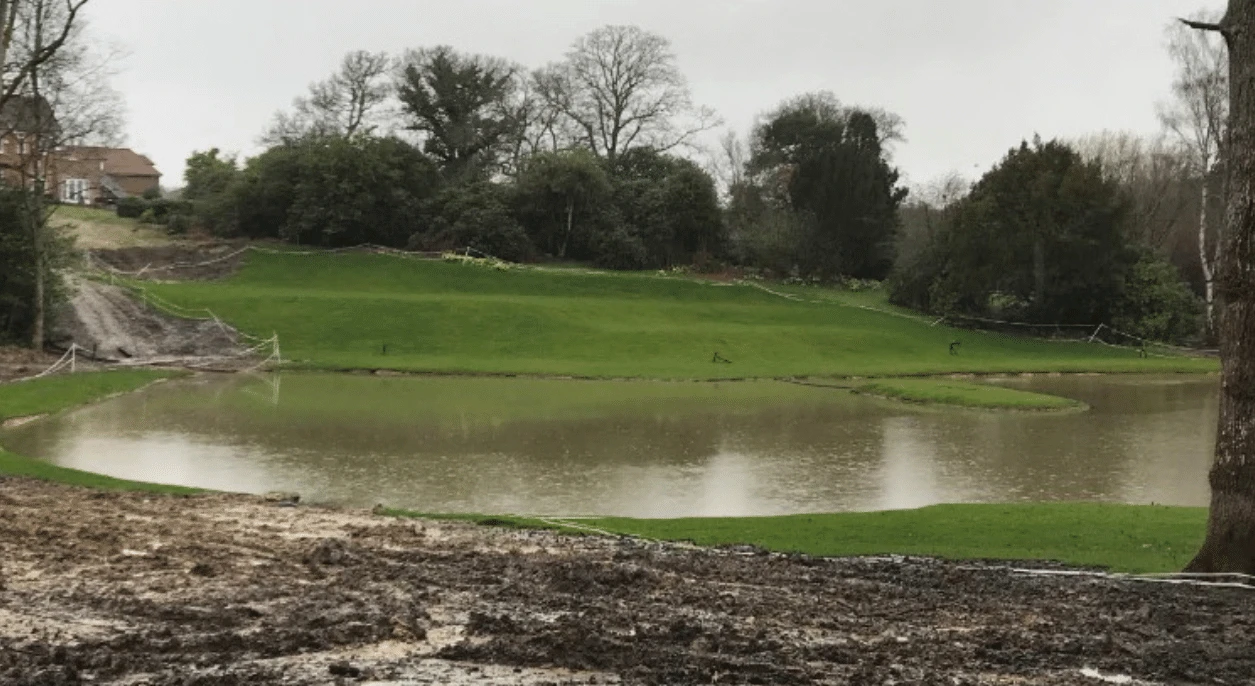
Appeal Allowed for Retrospective Pond Development
Aegaea supported a client on recent enforcement notice appeal in Sussex through detailed hydraulic modelling to demonstrate that an already constructed pond and embankment would result in a decrease in flood risk to the surrounding area thus gaining the planning inspector’s support.
Read more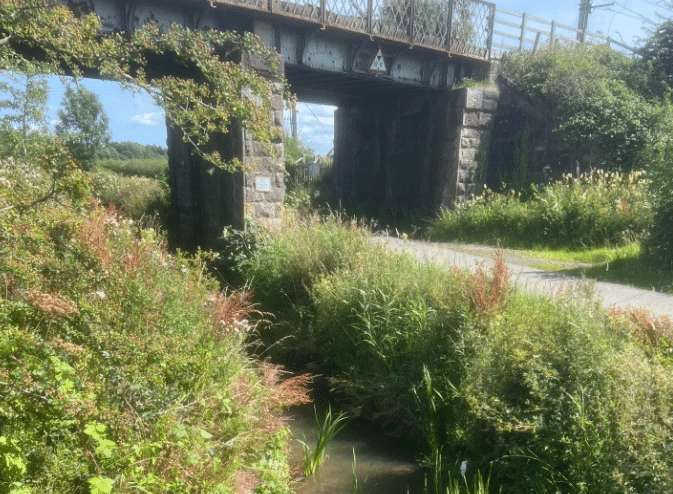
Hydraulic Modelling – 3 Key Differences between Scotland and England
Hydraulic modelling to inform a flood risk assessment is often required when the available flood maps indicate that a site may be at risk of flooding, or if your proposed development has a chance of increasing flood risk downstream. When it comes to modelling, England and Scotland generally follow similar best practice guidance. However, here are 3 notable differences encountered when it comes to obtaining modelling data and modelling practices in comparison.
Read more
Update on Water Neutrality and Water Efficiency in Sussex North Water Supply Zone (SNWSZ)
In October 2025, water neutrality restrictions were officially lifted in the Sussex North Water Supply Zone. Find out what this breakthrough means for the region.
Read more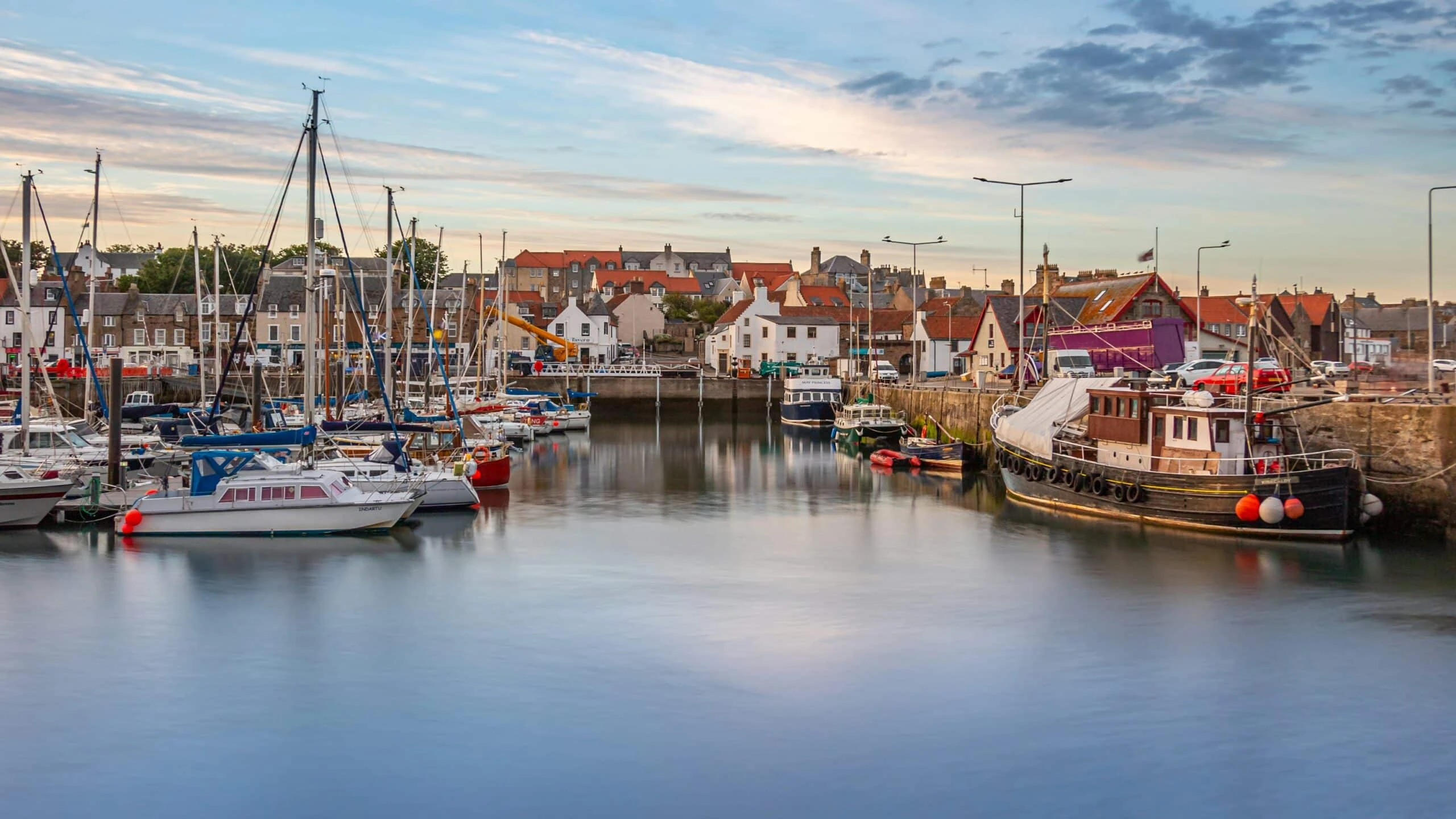
Fife Council Flood & Drainage Updates 2025 | Key Developer Changes
Earlier this year (June 2025), Fife Council published an updated version v3.0 of its Design Guidance on Flooding and Surface Water Drainage Requirements.
Read more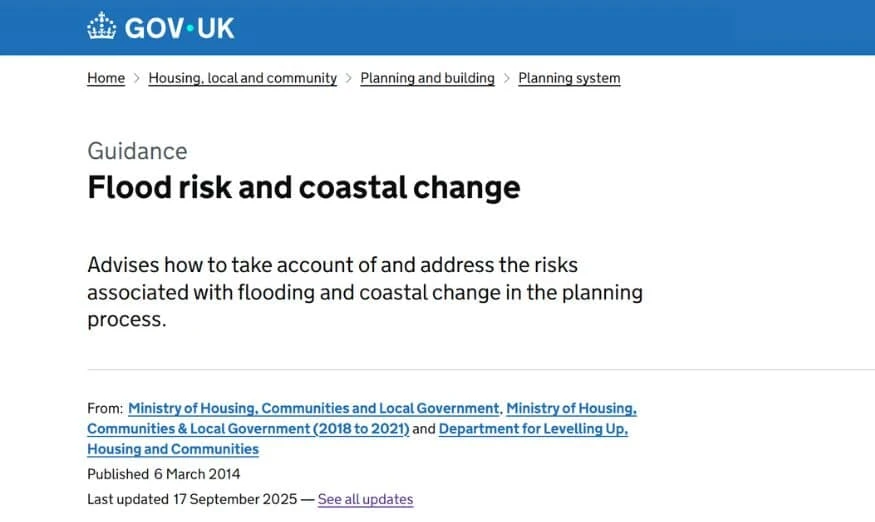
Changes to Planning Practice Guidance on Flood Risk & Coastal Change | September 2025 Update
In September 2025 (17.09.2025), the Government updated key parts of the Planning Practice Guidance (PPG) on flood risk and coastal change . These updates affect how the sequential approach and sequential test must be applied in planning applications and local plans. For developers and landowners, the changes provide some helpful clarifications. But they also create new challenges and raise questions about how consistently the policy will be applied. Below we set out the changes, what they mean in practice, and how our consultants see the positives and limitations.
Read more
Why Join Aegaea? Flexible, Supportive Careers in Flood Risk Consultancy
At Aegaea, we’re proud of the team and culture we’ve built. Our goal is simple: to be the best place to work for flood risk professionals, drainage engineers, hydrologists, civil engineers and graduates starting their careers. Whether you’re just stepping into the industry or looking for your next big move, here’s why joining Team Aegaea could be the perfect fit for you.
Read more
Navigating Scotland’s Surface Water Connection Policy: A Developer’s Guide
For developers planning new projects in Scotland, connecting surface water to the combined sewer network is far from straightforward. Compared with similar sites in England and Wales, the process is considerably more restrictive. Scottish Water’s stringent policies mean careful planning is essential, particularly for greenfield sites. Failing to meet these requirements can result in costly delays, so it is essential to understand the rules early on.
Read more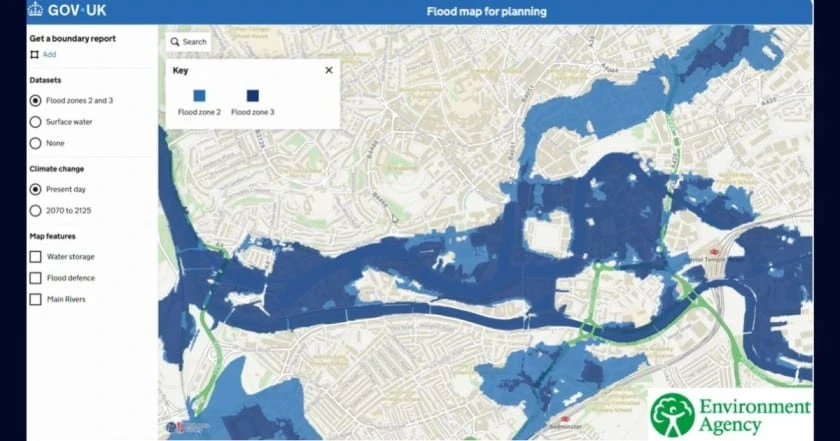
August 2025 Update to Environment Agency Flood Map for Planning (FMfP)
The Environment Agency (EA) has announced a further update to the Flood Map for Planning (FMfP) , due to go live on 27 August 2025. This follows the major update in March 2025 , which introduced new datasets from the National Flood Risk Assessment (NaFRA2) . The latest changes are designed to make flood risk data clearer and more practical for use in planning decisions.
Read more
SuDS – The importance of data to make informed decisions and the risks involved if you don’t
Additional data requests, such as a CCTV survey or infiltration testing, can seem like unnecessary extra costs, especially when you have just appointed a Surface Water Drainage Engineer who is now requesting more information to support their work. But consider the alternative. For example, a Thames Water Asset Plan costs as little as £68 + VAT, and a CCTV survey for a single dwelling typically ranges from £400 to £800. What if not having this information led to a planning refusal? The resulting delays in sourcing the missing data–or, worse, the need for a full resubmission–could cost significantly more, particularly given the recent increase in planning application fees. The reality is that this risk is becoming increasingly common, as highlighted in a recent appeal decision where limited evidence and a failure to follow the SuDS hierarchy resulted in refusal.
Read more
Independent Water Commission Report 2025: Key Recommendations on Drainage, SuDS and Schedule 3
On 21 July 2025, Sir Jon Cunliffe's Independent Water Commission released its 465-page final report, outlining 88 wide-ranging recommendations to fundamentally reform the water sector in England and Wales. In this blog, we explore the key recommendations and their potential impact on flood risk and drainage.
Read more
Flash Flooding in London Explained: Causes, Impacts and Solutions
The latest NaFRA2 update shows that nearly a third of a million properties in London (319,800) are at high risk from surface water flooding.
Read more
National Standards for Sustainable Drainage Systems (SuDS) 2025
On 19 June 2025, DEFRA launched a refreshed set of non-statutory national standards for Sustainable Drainage Systems (SuDS), aimed at delivering consistent, multifunctional surface-water management across England. While not legally mandatory, these standards are published as broader national standards aligned with legal frameworks such as the Environment Act 2021 and the Flood and Water Management Act 2010. They signal a significant shift in how developers, planners, and engineers approach drainage.
Read more
Environment Agency EA2030 Strategy: Climate Resilience & Flood Risk
The Environment Agency (EA) has released its latest strategic plan, EA2030 - Change for a Better Environment. The EA2030 strategy outlines a new vision for a climate-resilient nation, with a much stronger emphasis on managing flood risk through proactive planning and nature-based solutions. For developers, this signals a move away from simple compliance towards a more integrated approach to design and location. We've analysed the strategy to bring you the key takeaways and what they mean for your upcoming projects
Read more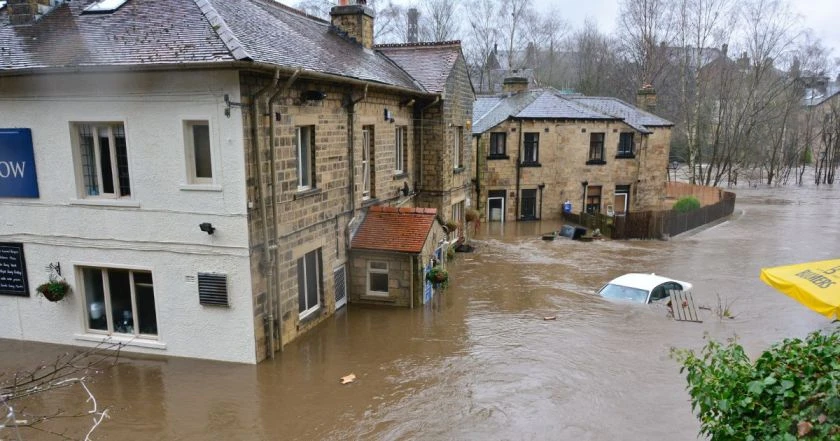
How Dry Weather Increases Flood Risk in the UK
With hot weather can come flood alerts and warnings, even during what feels like one of the driest periods of the year. While this may seem contradictory, prolonged dry weather can significantly increase the risk of surface water flooding. As climate patterns continue to shift, we are likely to see more extremes: hot, dry spells followed by short, intense bursts of rain. Understanding how and why this leads to flooding is essential for communities, developers and property owners alike.
Read more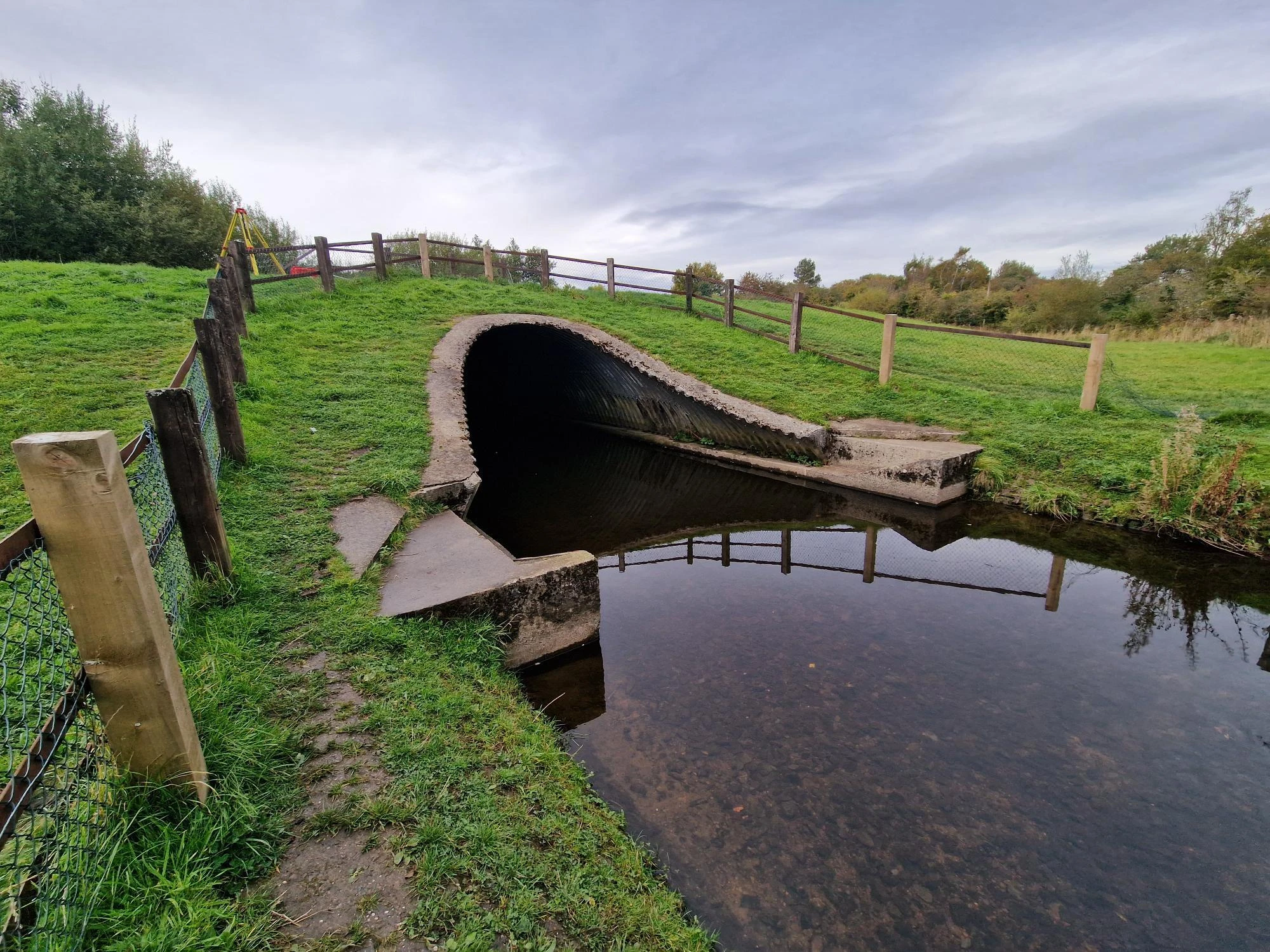
Flood and Surface Water Expertise Helps Deliver 24MW BESS Planning Consent in Sensitive Green Belt Site
Aegaea is pleased to have supported the successful planning approval of a 24MW Battery Energy Storage System (BESS) at Parkhouse Road, Barrhead. The project received unanimous backing from Glasgow City Council’s Planning Committee following a positive discussion highlighting the development as “well designed”, “quality” and reflective of the Council’s commitment to achieving Net Zero. Our role focused on managing flood risk and surface water drainage in what was a sensitive and technically challenging location.
Read more
Permission Secured After Successful Appeal in Petersfield
Aegaea provided a detailed Flood Risk Assessment (FRA) and SuDS drainage strategy to support an outline planning application for a hotel and cycle centre near Petersfield. Following refusal by the South Downs National Park Authority (SDNPA), our ongoing technical input was instrumental in securing planning permission at appeal.
Read more
Flood Risk for Data Centres in Scotland
Scotland’s data centre sector is growing rapidly, fuelled by increasing demand for cloud computing, artificial intelligence, and digital connectivity. The country's cooler climate, strong renewable energy credentials, and improved connectivity make it an ideal location for large-scale digital infrastructure.
Read more
Mid Sussex District Council Level 1 Strategic Flood Risk Assessment (SFRA)
We’re proud to announce that Aegaea has completed a Strategic Flood Risk Assessment (SFRA) for Mid Sussex District Council (MSDC), supporting the local authority in shaping sustainable, climate-resilient development for the future.
Read more
Zone 2 Flood Risk Assessment in Lewisham
We recently worked alongside the team at Maddox Planning and AAVA Architecture on behalf of Land Development Property Group Ltd to offer our flood risk consultation services for their Weardale Road, Lewisham project.
Read more
TAN15 Wales Flood Risk Policy Updates 31 March 2025
The Welsh Government has recently updated Technical Advice Note 15 (TAN 15), providing revised guidance on planning policies related to development and flood risk.
Read more
SEPA Launches New Surface Water & Small Watercourse Flood Maps
On the 12th of March 2025 a significant update to the Scottish Environment Protection Agency (SEPA)’s mapping was introduced in the form of the publication of a new surface water and small watercourses flood mapping dataset to accompany the existing fluvial (rivers) and coastal mapping extents.
Read more
Over 1000 New Flood Schemes Announced
The Government and Environment Agency are investing £2.65bn in over 1,000 flood defence schemes. Explore how this affects high-risk areas, aligns with NaFRA2, and informs decisions for property owners, planners, and developers.
Read more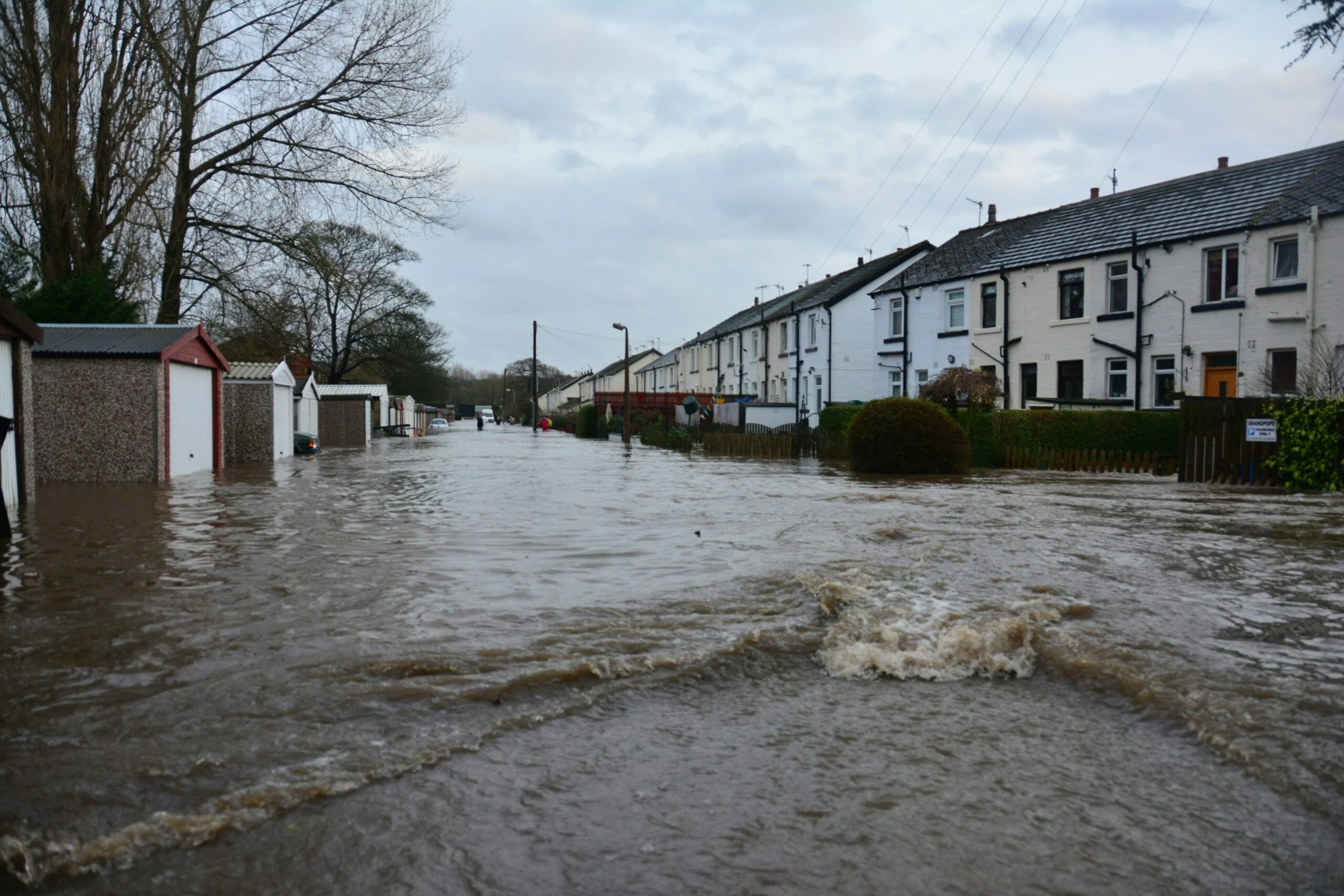
Environment Agency Flood Maps for Planning (FMfP) Updates March 2025
The Environment Agency is updating existing data and integrating new NaFRA2 flood datasets as part of the March 2025 updates to the Flood Maps for Planning (FMfP). As local authorities rely on FMfP data for planning decisions, understanding its potential impact is essential for any development.
Read more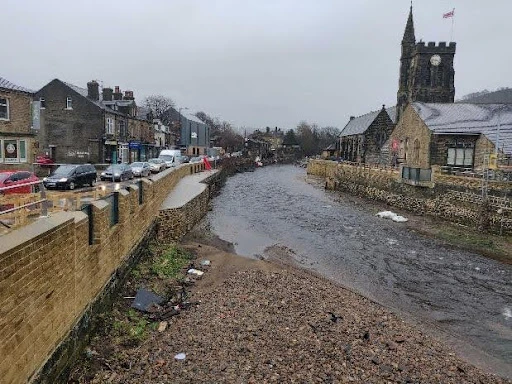
Understanding the Growing Threat of Flooding: A Personal Perspective
Our Graduate Flood Risk Consultant, Amelia, shares her personal experience with the impact of flooding whilst living in Hebden Bridge.
Read more
Glasgow City Council – Bespoke Flood Risk Assessment and Design Requirements
It has now been two years since the adoption of the National Planning Framework 4 (NPF4)– the spatial strategy for Scotland which replaced NPF3 and the Scottish Planning Policy (SPP).
Read more
National Flood Risk Assessment 2 Update (NaFRA2)
The latest NaFRA update released on 28th January 2025 brings with it significant changes and for the first time accounts for the latest climate change projections when assessing flood risk. We’ve analysed what this means and the impact it may have on developments in England.
Read more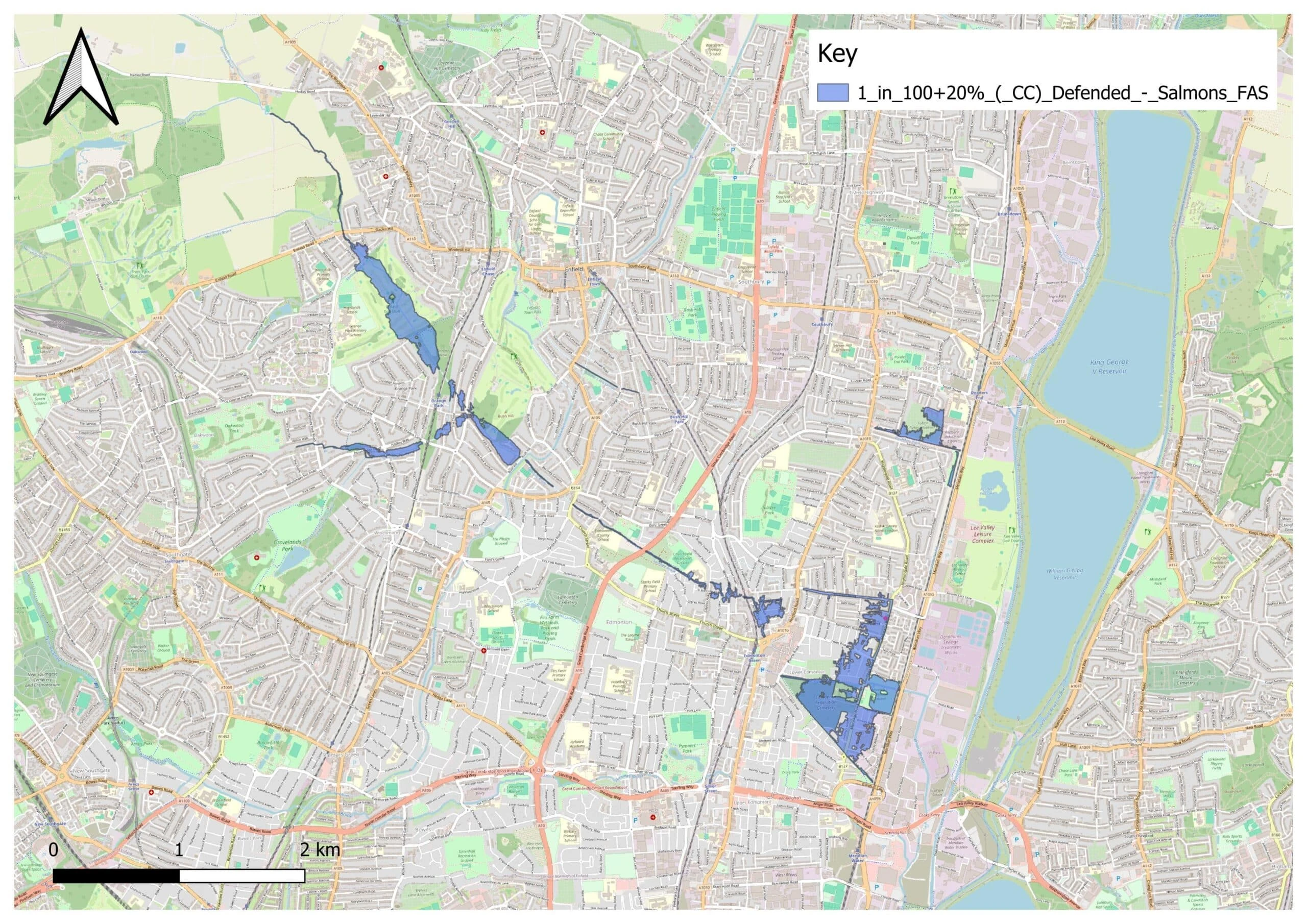
Flood Risk and Surface Water Drainage in Enfield
The London Borough of Enfield has several bespoke planning policies and numerous Critical Drainage Areas (CDAs) to navigate.
Read more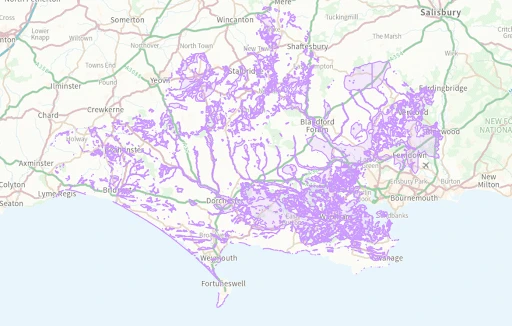
Dorset Council – Groundwater Drainage Guidance
Dorset Council have introduced guidance for Surface Water Drainage across the county. It's therefore important to check whether your project will be subject to the provision of a Surface Water Drainage Strategy.
Read more
Aegaea in Review – 2024
As another year draws to a close we’re reflecting on our achievements and successes. In 2024 we’ve done 978 jobs – covering single units to 4000 residential dwellings, industrial, commercial, green energy production and battery storage.
Read more
Changes to the NPPF – SuDS – Paragraph 182
On December 12th 2024 the government updated the National Planning Policy Framework (NPPF). The new NPPF has brought with it significant amendments affecting flood risk including changes to the Sequential Test and Surface Water Drainage.
Read more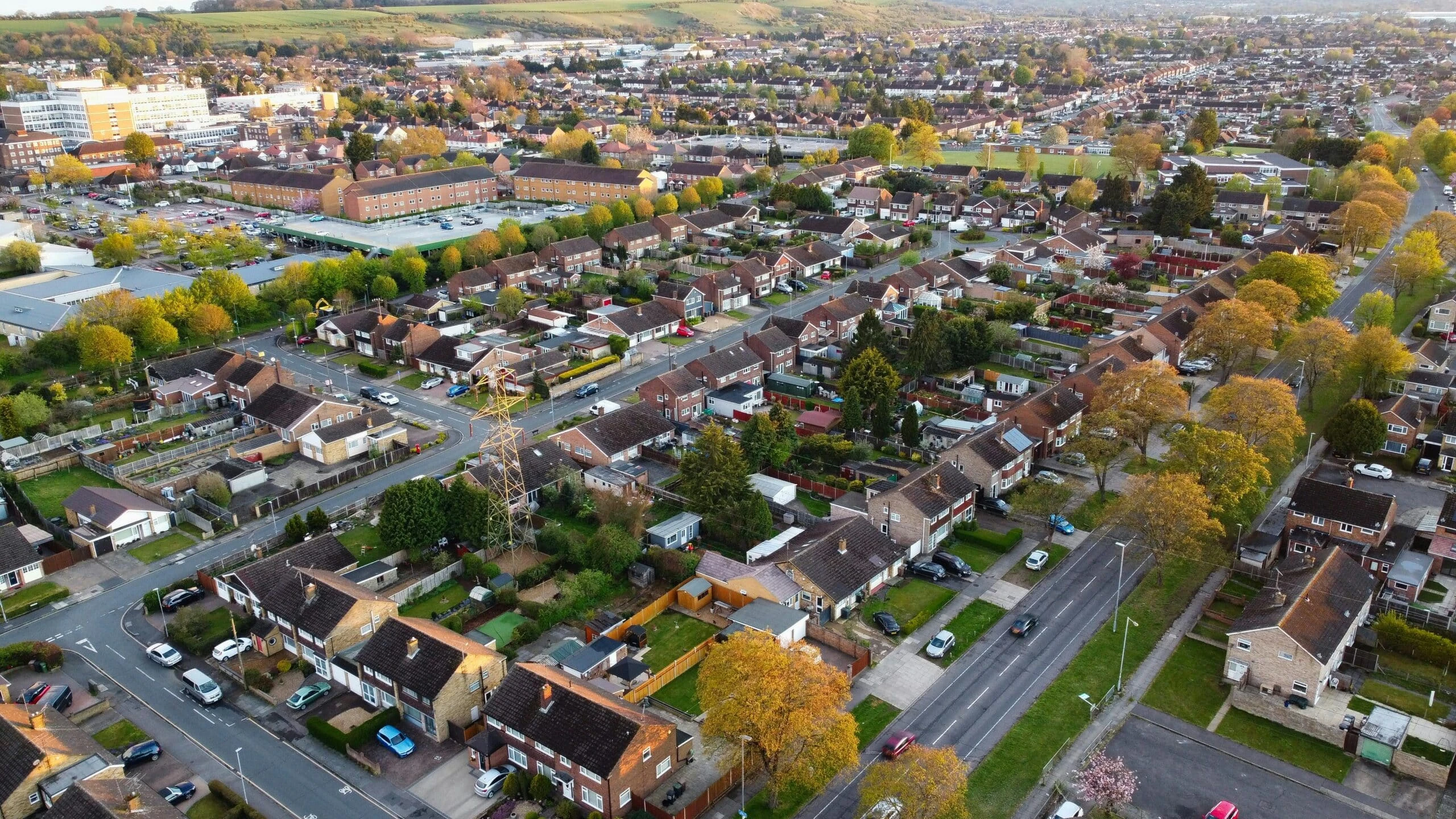
Changes to the Sequential Test – NPPF
So, we have a new National Planning Policy Framework (NPPF), what is the importance of the changes with focus to flood risk?
Read more
Everything you need to know about SuDS for extensions and small-scale developments
When planning for your small house extension project, it’s easy to overlook the impact on surface water drainage. With this being said, even small-scale developments can contribute to urban flooding, water pollution, and biodiversity loss if not designed thoughtfully.
Read more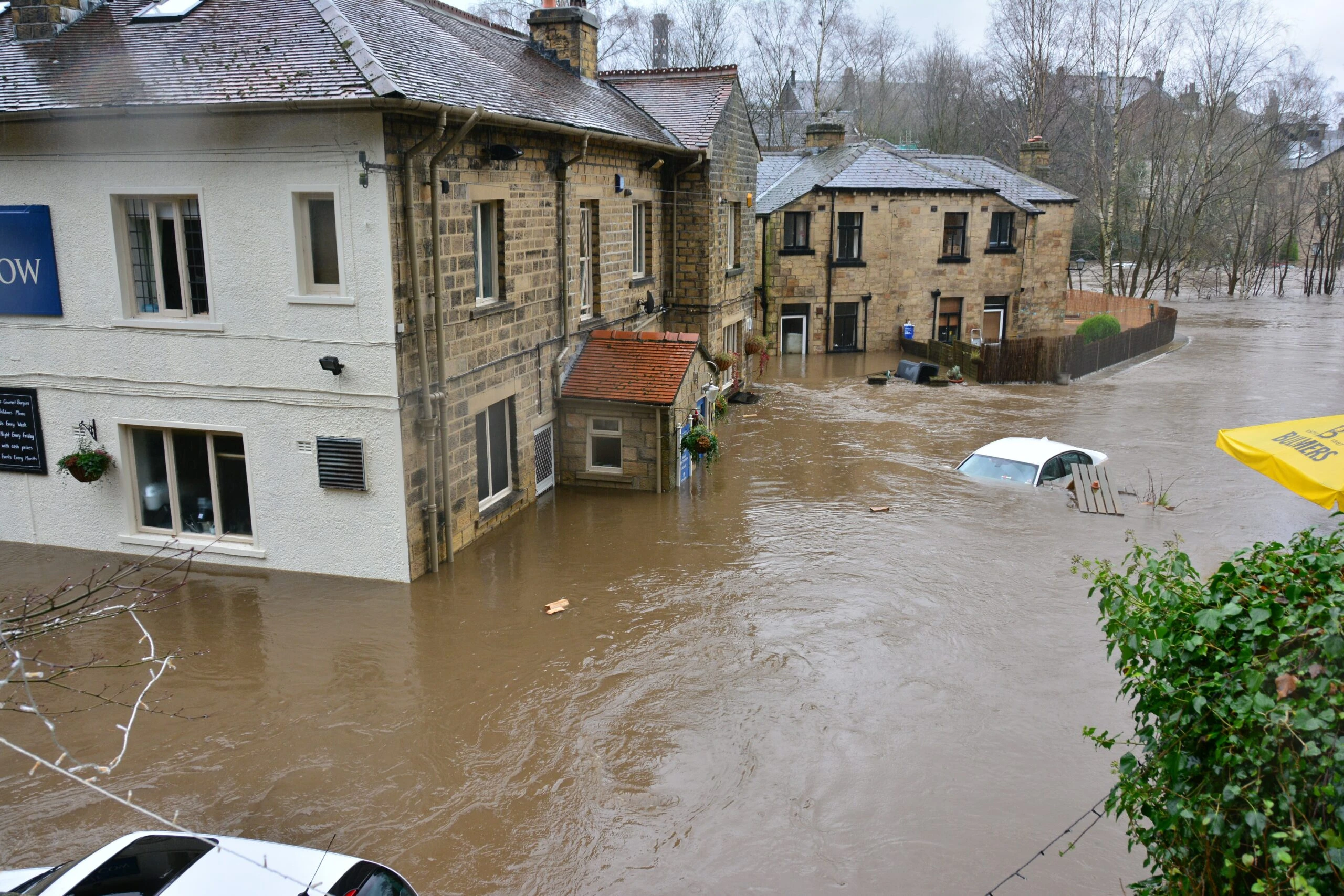
Storm Bert and Property Flood Resilience
Between 23rd and 25th November 2024, Storm Bert resulted in extreme rainfall and strong winds across the UK.
Read more
Flood Risk Policy in Royal Borough of Kensington and Chelsea
“All development, regardless of size, should ensure that there is a net reduction in flows to the combined sewer network.”
Read more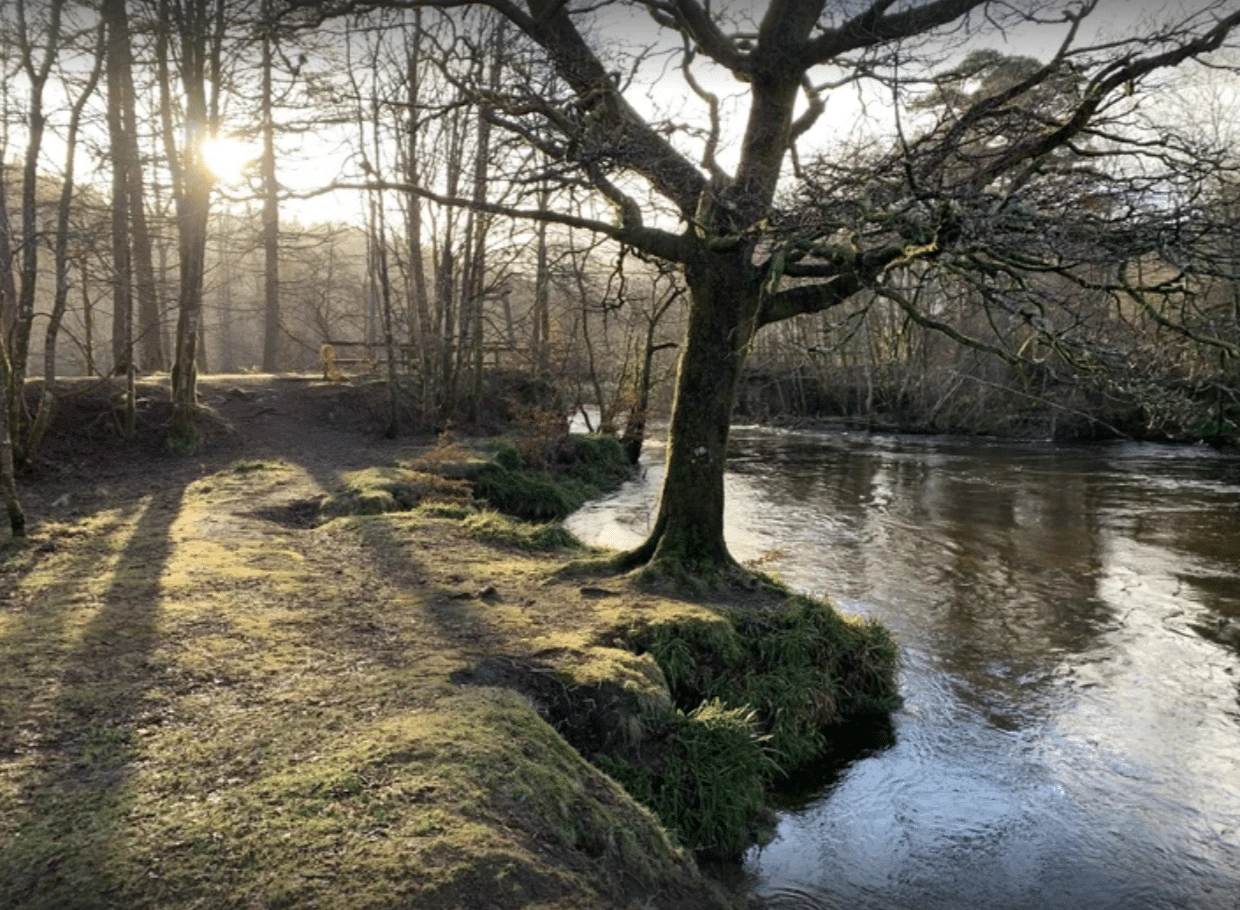
Flood Risk Assessment in Scotland – The Future Fluvial Flood Risk Area
During the early stages of your project, it is vitally important that consideration is given to flood risk and understanding the Flood Risk Area.
Read more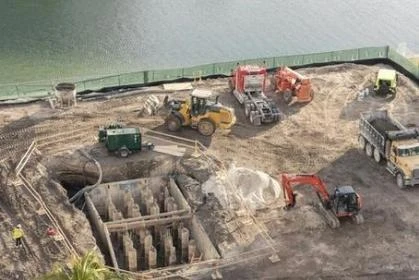
Scotland Flood Risk and Essential Infrastructure
On the 18th July 2024, SEPA released updated guidance and criteria with regards to the Land Use Vulnerability for both existing and proposed developments, with respect to Flood Risk.
Read more
Aegaea Listed As A Qualified Surveyor for Storm-Hit Properties In Leicestershire
Aegaea is pleased to announce that Leicestershire County Council has listed us as an appropriately qualified and experienced surveyor to carry out property flood surveys to assist homeowners affected by Storms Babet and Henk in October 2023 and January 2024, respectively.
Read moreFull Project Lifecycle At Aegaea
No matter what stage you’re at in your project, from pre-purchase due diligence to as-built construction drawings, getting the right expert advice at the right time is essential.
Read moreOur Civil Engineering Services
Yesterday we announced the launch of Aegaea Civil Engineering and the benefits that can bring. Our new Director, James Mahoney, breaks down the type of work that Aegaea Civils is involved in and what this means for our clients.
Read moreAegaea Introduces Civil Engineering Services
We're pleased to welcome our new directors at Aegaea, expanding our services to include civil engineering services, infrastrcture, highways design, and detailed drainage design. Aegaea Civils work from preplanning due dilligence all the way through to as built drawings! Aegaea are now a true 'end to end' water consultancy.
Read more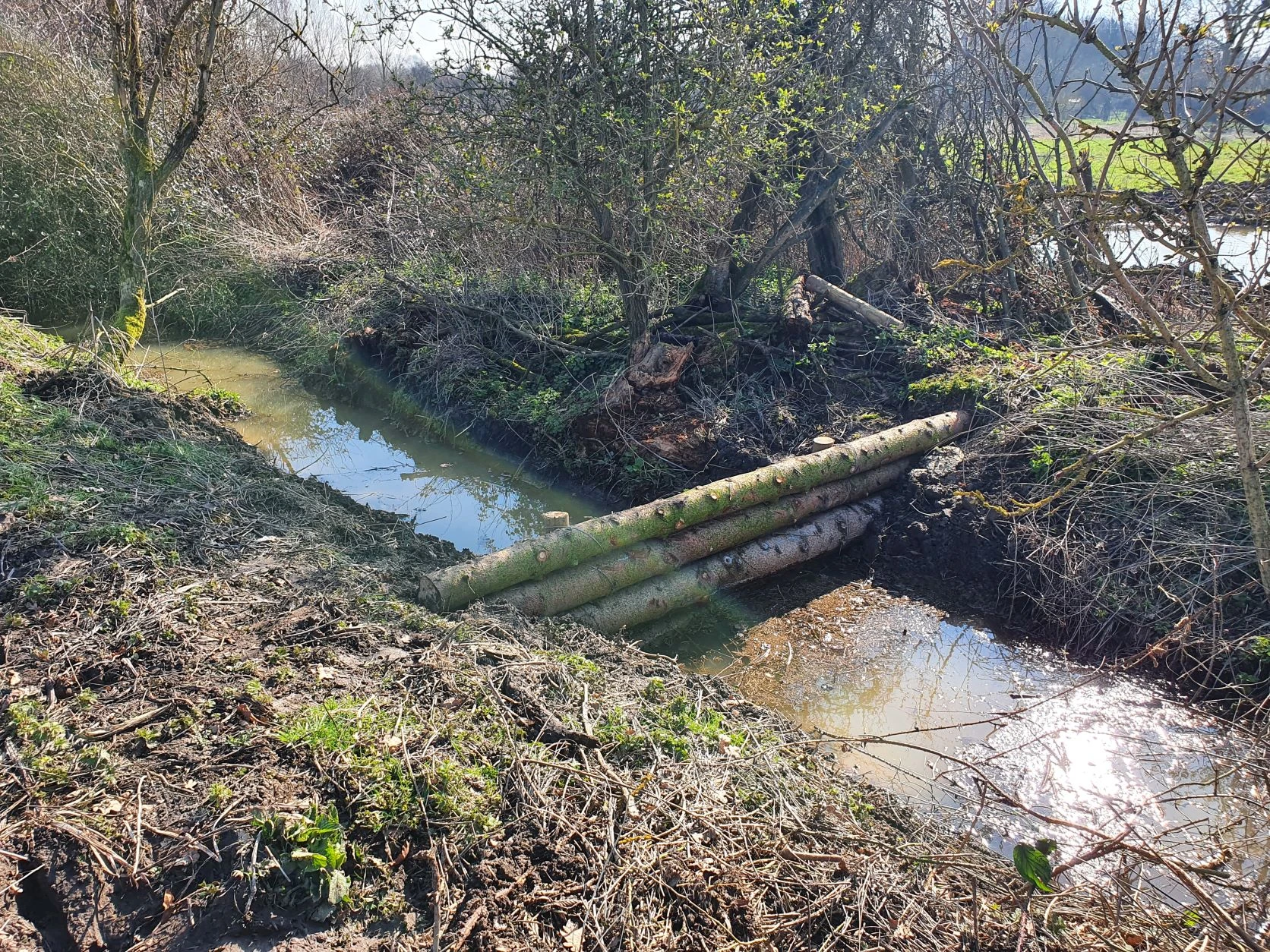
What Is Natural Flood Management (NFM)?
NFM (Natural Flood Management) measures are usually small scale features put into catchments that try to mimic natural processes. If done properly, with sufficient numbers, in the right place in the catchment they can help to improve water quality, slow down flows and reduce flood response of a catchment.
Read moreWhat Are Property Flood Resilience Assessments?
Independent, accredited assessors should conduct property flood resilience assessments in accordance with the Code of Practice BS851188, which provides guidance on assessing and managing flood risk.
Read more
SEPA Unveils New 3 Day Flood Forecast
In February 2023, SEPA officially launched the new Scottish Flood Forecast service, which provides a 3-day notice to both the public and businesses of potential flooding impacts.
Read moreFlood Risk Updates in NPF4
NPF4 will be adopted on 13th of February and brings with it a change in the definition of the functional floodplain. This could be critically important to developments located in, or near, the existing functional floodplain.
Read more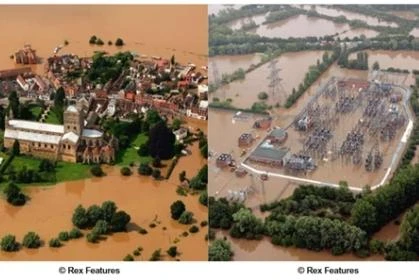
What Are Flood Warning & Evacuation Plans (FWEPs)?
When do you need a FWEP? How do you write a FWEP? Why is a FWEP important? All questions covered in today's article!
Read more
2022 - A year In Review
What a 12 months we've had at Aegaea Towers! New people, new projects and a growing sense that this company is something special.
Read more
What is a Critical Drainage Area?
Critical Drainage Areas are areas where development could have an influence on the risk of flooding within a ‘Local Flood Risk Zone’ (LFRZ).
Read more
Planning Practice Guidance Updates 25th August 2022
The short answer is that almost everything has changed in the PPG (Planning Practice Guidance) Flood Risk and Coastal Change, from functional floodplain definition to building lifetimes and applications of the sequential test.
Read more
New Website is Live!
It’s all looking a bit different here at aegaea.com! We’ve been working hard with our partner (Orca) to create a brand new home for all our digital content, advice and resources on flood risk, drainage and hydraulic modelling.
Read more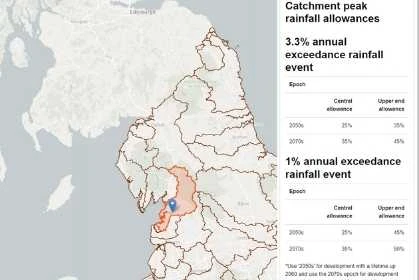
Updated Peak Rainfall Allowances May 2022
The Environment Agency has issued updated rainfall climate change allowances for England, changing how peak rainfall allowances are applied in flood risk assessments and development planning.
Read more
SEPA Climate Change Allowances in Scotland
In April 2022, SEPA updated their guidance with regard to peak flow and rainfall estimates and the additional allowance to account for climate change.
Read more
Aegaea are in!
We're very pleased; learning, development, connecting and taking Aegaea's services to the international market.
Read more
Welcome Ismini!
We’re excited to announce the final hire from this Easter round of recruitment – Ismini Sarikou has joined us as a Senior Flood Risk Modeller, building out our modelling expertise and rounding out a great team!
Read more
Welcome Alex!
We’re really pleased to share that Alex Brennan has joined us as a Flood Risk Consultant.
Read more
Welcome Ollie!
We’re really pleased to share that Oliver Manston has joined us as a Graduate Flood Risk Consultant.
Read more
London Borough of Sutton Local Flood Risk Policies
The London Borough of Sutton adopted its local plan in 2018, which covers the period from 2016 to 2031. The plan includes some 40 policies covering different planning requirements—policy 32 covers flood risk and drainage.
Read more
City of Westminster Flood Risk
The City of Westminster adopted their City Plan 2019-2040 in April 2021.
Read more
Flood Risk Assessment – Independent Certifications in Scotland
Some Scottish councils require independent checks of flood risk and drainage assessments. Understand what to confirm before appointing a reviewer.
Read more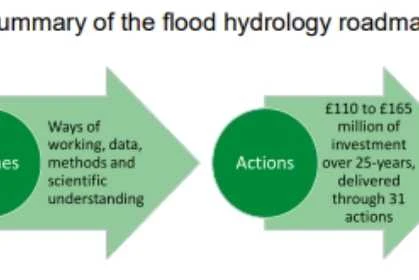
Flood Hydrology Road Map – The next 25 Years
The Environment Agency (EA) has published its roadmap for developing flood hydrology for the next 25 years.
Read more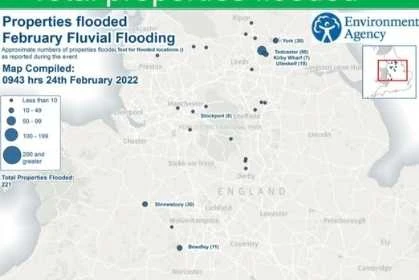
Understanding the Economic Impacts of Flooding and Risk Modelling
Flooding is a problem the world over – from the recent floods in Brisbane, Australia, to the string of named storms in the UK in 2022, it is clear that flooding causes disruption to lives and livelihoods.
Read more
Understanding West London SFRA Borough FRA Requirements
Flood risk assessments (FRAs) are a key part of planning applications in the West London Boroughs of Barnet, Brent, Ealing, Harrow, Hillingdon and Hounslow.
Read more
SEPA’s Position On Elevated Buildings
SEPA has just released further guidance with regard to elevated development located in areas of flood risk.
Read more
Updates to the Royal Borough of Windsor and Maidenhead Local Plan
The Royal Borough of Windsor and Maidenhead (RBWM) is expected to adopt a new Local Plan in the next few weeks.
Read more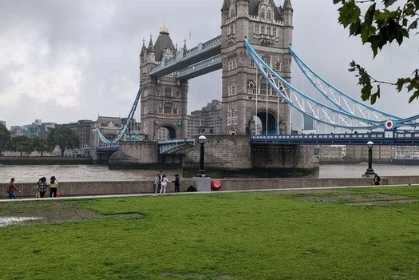
Are Flood Risk Assessments In London Different From Other Parts Of The UK?
National Planning Policy guides development across the UK, coupled with local planning policies, which dictate the terms to which a flood risk assessment must be written.
Read more
Welcome Nick!
Aegaea are pleased to welcome Nick Darling-Drewett to the Aegaea Team. Nick joins us in 2022 as a Senior Flood Risk Consultant.
Read more
Surface Water Drainage Scotland – What Developers Need to Know
During the development process in Scotland, it’s essential to consider how surface water drainage (run-off from roofs, paved areas, and other impermeable surfaces) will be managed on site, including its disposal method and final discharge location.
Read moreAegaea on ITV News: Tower Bridge Flooding Investigation
When surface water flooding brought parts of Tower Bridge to a standstill, ITV News London called upon Aegaea to help explain what had gone wrong and what could be done to prevent it from happening again.
Read more
Welcome Miriam Warren
Aegaea are really pleased to welcome Miriam to the team as our very first Graduate Consultant!
Read more
Welcome Douglas Swinbanks
Aegaea are really pleased to welcome Douglas Swinbanks to the team as our new Principal Flood Risk and Drainage Engineer.
Read more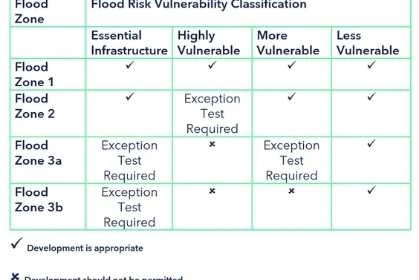
Flood Map Planning: How It Affects Development Applications
The Flood Map for Planning is a screening tool produced by the Environment Agency to help determine whether development proposals will require a Flood Risk Assessment (FRA) as part of a planning application.
Read more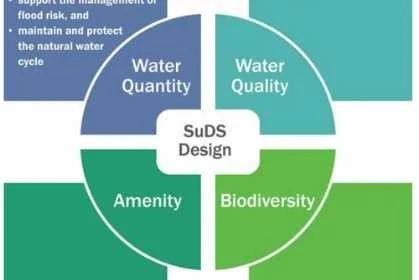
What Is a Sustainable Drainage System (SuDS)?
SuDS refers to Sustainable Drainage Systems. Before looking at SuDS, we must identify what is a drainage system?
Read moreChanges To Chapter 14 Of The NPFF
The changes to the NPPF introduced on 20th July 2021 include several subtle yet significant updates to Chapter 14 – Planning and Flood Risk – that professionals involved in planning and development should be aware of.
Read more
What Are The Sequential And Exception Tests?
What each test asks, when you are exempt, how to carry them out, what happens if a test fails, and what changed in August 2026.
Read more
What Are The updates to Climate Change Allowances in England, 20th July 2021?
As of July 20, 2021, the Environment Agency has published revisions of its climate change guidance for application to river flows.
Read more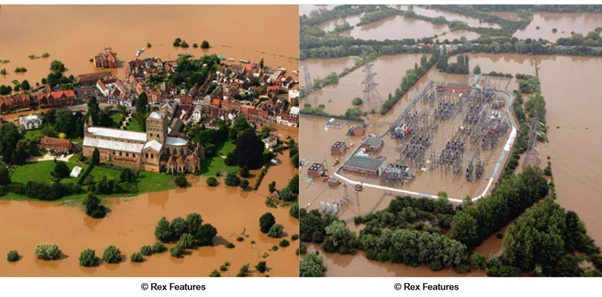
How the Pitt Review Changed UK Flood Response
In 2007, the UK experienced exceptional flooding. It was the wettest summer since records began. Numerous locations were hit with short-lived, extreme periods of rainfall, causing sudden flash flood events.
Read more
Do I Need A Flood Risk Assessment For A Major Development?
Navigating the complexities of flood risk management is critical for any major development.
Read more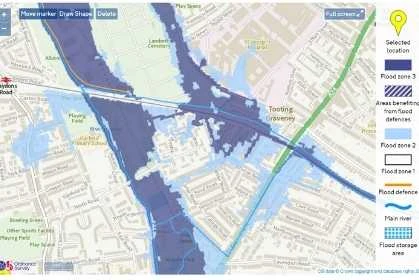
What Is A Flood Risk Assessment? And What Do All The Flood Zones Mean?
A Flood Risk Assessment is integral to your planning application; the type, complexity and cost of that flood risk assessment will vary depending on the type and location of your development.
Read moreWhat is a Lead Local Flood Authority (LLFA)?
Lead Local Flood Authorities, or LLFAs as they are commonly called, were established under the Flood and Water Management Act in 2010.
Read more
Aegaea Welcomes a new Director
Aegaea are pleased to welcome a new director to the team. Daniel Cook joins us from the Ambiental (a Royal HaskoningDHV Company) and has previously worked with Hilson Moran.
Read moreWhat Impact Does The Revised Breach Model Have On London Flood Risk Assessments?
Central London benefits from flood defences protecting the City Centre up to a 1 in 1000-year standard, mainly aided by the Thames Barrier.
Read moreHow Climate Change Updates Affect Peak River Flows and Flood Planning
In accordance with the National Planning Policy Framework, February 2019, there is a requirement for development in Flood Zones 2 and 3 to consider climate change scenarios.
Read more
Aegaea welcomes a New Senior Consultant.
Aegaea are pleased to welcome a new consultant to the team. Lauren Towle joins us from the Environment Agency and has previously worked with BWB consulting and JBA.
Read more
Why Choose Aegaea For Your Flood Risk Services?
Make the most of your site and your application by getting a flood risk assessment undertaken by industry experts. Aegaea has a demonstrated track record of increasing development potential.
Read more
Aegaea Director Appointed To World Bank Group
Our first company update is a short one, but a welcome one. Chris Cameron-Hann has been appointed to a World Bank working group looking at the future of hydrological observation networks.
Read moreWhat Is A Flood Risk Assessment (FRA)?
When you are planning a development, you might feel as though a Flood Risk Assessment is just ‘one more added cost’; however, it is anything but.
Read more
Changes To The London Plan And How It Will Affect Flood Risk In The Capital
Development in London is subject to National Policy and adherence to the National Planning Policy Framework (NPPF).
Read moreInsights
Work with the experts behind these articles.
Tell us where your site is and what you’re planning. We’ll explain what’s needed and send a free, no-obligation quote.