Scottish Water – Gaining Surface Water Drainage Approval
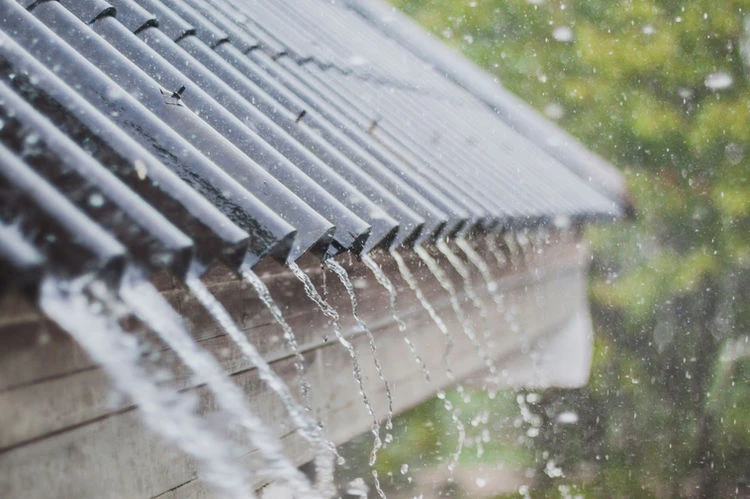
During the development process in Scotland, it’s essential to consider how surface water drainage (run-off from roofs, paved areas, and other impermeable surfaces) will be managed on site, including its disposal method and final discharge location.
In most urban developments, the first solution often considered is discharging surface water into the public sewer network.
However, Scottish Water approval is required, and this is only granted once alternative options have been assessed and deemed unviable.
Under current drainage regulations in Scotland, developers must follow Scottish Water’s surface water drainage hierarchy, which outlines five preferred disposal methods (ranked from most to least sustainable):
1. Rainwater reuse, including rainwater harvesting systems and water butts 2. Infiltration – draining surface water into the soil via soakaways 3. Discharge to water bodies, such as a watercourse (open or piped), canal, loch, or existing/proposed SuDS
Only once options 1–3 are demonstrated to be technically infeasible will Scottish Water consider:
4. Discharge to a surface water sewer 5. Discharge to a combined sewer
To gain approval for connecting to a surface water or combined sewer, developers must provide robust evidence — both technical and non-technical — justifying why higher-ranking options in the hierarchy are not feasible.
Understanding Drainage Regulations in Scotland
Developers must align with surface water drainage regulations in Scotland, ensuring sustainable, compliant strategies are in place from the outset of any development project.
Failing to do so can lead to delays, additional costs, or refusal of sewer connection approval.
How Aegaea Can Support You
At Aegaea, we’ve supported numerous developers across Scotland by delivering effective surface water drainage strategies that meet both Scottish Water’s approval criteria and local regulatory standards.
Our expertise includes preparing the required assessments and compiling the evidence needed to support successful drainage applications.
Whether you’re in the early planning stages or facing regulatory challenges, we’re here to help.
Get in touch with douglas@aegaea.com or give us a call on [0131 380 7224](tel:0131 380 7224).