Aegaea

Quick links

↑ ↓ to choose · Enter to open · Esc to closeSearch stays in your browser.

Foul Drainage Design for Planning

A foul drainage strategy sets out how wastewater will leave your site, either by connection to the public sewer or, where no sewer is available, to a package treatment plant or drainage field. Most planning applications creating new dwellings or increasing foul load will need one, and the water authority will want to see it before approving a connection. Aegaea designs private and adoptable foul drainage across all sectors, securing Section 104, 106 and 185 agreements directly with the water authorities, the Environment Agency and Natural Resources Wales.

Scope of Foul Drainage

Our designs are site-specific and fully compliant with sewage sector guidance and Water Authority requirements. When considering your specific drainage requirements, we can advise on the best foul effluent disposal option.

We can assist where a site requires a sewer requisition, diversion and build-over, and if reinforcement works are required to upgrade or increase the existing network’s capacity, and liaise with the Water Authorities as necessary.

We liaise with the relevant stakeholders, including Water Authorities, the Environment Agency (EA), Natural Resources Wales (NRW), Lead Local Flood Authorities, etc., to obtain the necessary technical approvals and agreements, i.e., Section 104, 106, and 185 permits and consents.
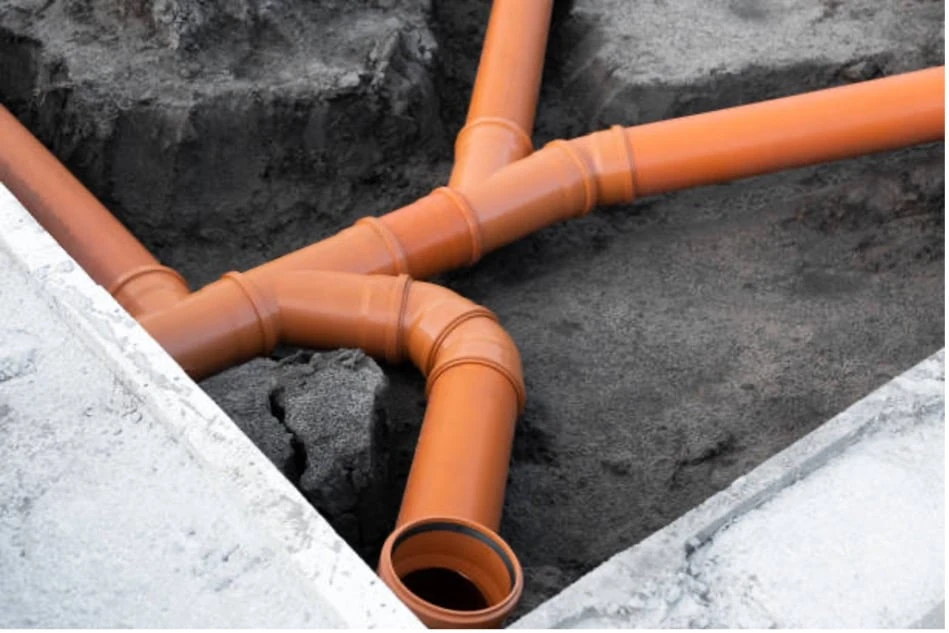
Foul drainage pipes
Foul drainage pipes

Foul Drainage Design

We are experienced in the design of non-mains drainage, including discharge to surface water (e.g., river, stream, canal) and to the ground (e.g., drainage field).

Consideration will be given to whether the site is in a sewered area or if there are any environmental designations, protected sites, etc. that may affect the strategy.

Percolation testing (to BS 6297:2007+A1:2008) will need to be undertaken to confirm whether a discharge to the ground, i.e., drainage field, is feasible and provide a percolation value to inform the design. We will coordinate the testing with a client-appointed contractor. Subject to a review of the general binding rules and additional rules, we can advise whether an EA permit is required.

Aegaea has a wide range of experience, including:

  • Design of Section 104 foul and surface water sewers for adoption by the local water authority.
  • Design of Section 185 sewer diversions and build-over agreements, including adopted sewers.
  • Environment Agency permits and consents.
  • Hydraulic modelling of existing and proposed drainage networks.
  • Foul pumping stations and rising mains.
  • Foul treatment plants for single and multiple dwellings, including commercial and industrial settings.
  • Coordination of percolation tests and drainage field design

Cost and timing

A quote based on your site

Before we quote, we look at your proposed development and whether the site can connect to the public sewer, or whether a package treatment plant or drainage field is needed. We also check for environmental designations or protected sites that may affect the strategy. That helps us explain what is needed, whether percolation testing or permits are required, and how long the work is likely to take. Your quote sets out the fee, what is included and any exclusions, so you know what you are agreeing to before appointing us.

Quotes are free and with no obligation.

  1. Tell us about the project

    An address and a short description give us enough to begin. Plans, surveys or water authority comments are helpful if you have them.

  2. Agree the approach

    We advise on the best foul effluent disposal option and any testing, permits or agreements needed.

  3. Design and approvals

    Once appointed, we prepare the design and liaise with the water authority and regulators on the approvals you need.

Meet the team

Meet the engineers and consultants working in this area.

Explore our team

Common questions

Here are answers to common questions about this work. If you would like to discuss your own site, we can help you work out what is needed.

Yes. We can assess treatment and discharge options alongside ground conditions, site levels and environmental constraints. We explain which further checks are needed before recommending an approach.

We work with your architect and wider team to coordinate the drainage design, and discuss the relevant technical requirements with the water company. We explain which approvals are needed and what our appointment includes.

The site location, a short description of your plans and any comments from your planning authority are a useful starting point. If you have drawings or previous reports, share those too; we can help you work out what else is needed when we discuss the project.

After reviewing your plans and the information available, we provide a quote explaining the work, fee and expected timing. We also talk through any surveys, data requests or decisions from other organisations that may affect the programme.

Client feedback

What it’s like to work with us

Read all reviews on REVIEWS.io ↗

Foul Drainage Design for Planning

Need a foul drainage strategy?

Send us your site address and what you’re planning. We’ll check whether a sewer connection is available, explain the best disposal option, and send a free, no-obligation quote.

Newsletter

Stay ahead of flood risk and planning changes

  • Policy and flood map changes, explained in plain English
  • Practical guidance for your next planning application
  • New projects and lessons from our consultants

No spam. Unsubscribe any time. By signing up, you agree to receive our newsletter and occasional updates. See our privacy policy for how we use your data.

Read the latest update →