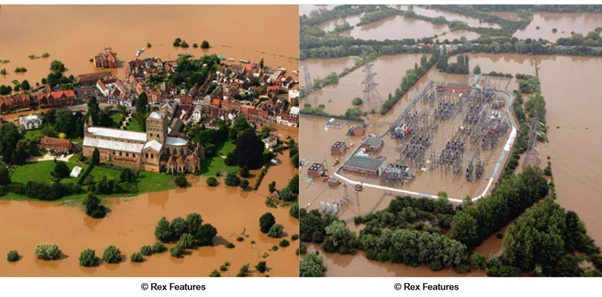
In 2007, the UK experienced exceptional flooding. It was the wettest summer since records began. Numerous locations were hit with short-lived, extreme periods of rainfall, causing sudden flash flood events. Hotspots included South Yorkshire, Hull, Gloucestershire, Worcestershire, and the Thames Valley. Electricity, water, and transport networks failed. 55,000 properties were flooded. 7,000 people needed rescuing, and 13 people lost their lives.
In response, the government commissioned an independent review of the “lessons learned” from these extreme events.
Sir Michael Pitt prepared this review the following year.
It culminates in a list of recommendations for improving our preparedness for and response to flood incidents and has come to be known as The Pitt Review.
The Recommendations of The Pitt Review
The purpose of the Pitt Review was to learn lessons and to make improvements to better the response to and reduce the impact of future flood incidents. The following were some of the recommendations made in the report.
Flood Warnings
Using data (modelled and observed) obtained/created by the Met Office and the Environment Agency. An improved flood warning system would enable quick alerts of an imminent risk of flooding to be disseminated to both first responder agencies and individuals where possible. This would allow those at risk to prepare and/or to get to a safe place as soon as practicable. This measure may also help reduce the cost of flooding by allowing people to protect their property, both in preparation beforehand and by putting those preparations into action when a flood alert is received.
Planning and Preparation
A major concern following 2007 was the failure of infrastructure. It was advised that measures should be taken to build resilience in critical infrastructure (transport/water/electricity etc). Funding should also be prepared to aid recovery post-flooding, and the recording and reporting of flooding should be improved.
Education and Publicity
To help people protect their own families and property, it was advised that this should be done via flood warnings, media, and personal and community support. The Pitt Review suggested that areas found to be at increased risk of flooding should be a target for education/information campaigns.
Robust Planning Policy
The Pitt Review noted that during consultation, many suggestions to end building within the floodplain were received. Given the need for development along the Thames Valley, for instance, this cannot be completely possible as a blanket ban. However, the Pitt Review strongly recommended that planners and developers build appropriately within any areas at risk of flooding.
Previously, developers had an automatic right to connect new developments to the local sewerage and drainage networks. The Pitt Review commented that developers should consider the impact of their development on the local area.
It was also recommended that there should be a reduction in the number of impermeable spaces proposed in new developments and to keep gardens landscaped, reducing the number of gardens getting paved, tarmacked or decked over. Keeping gardens and open areas landscaped allows water to soak into the ground, slowing it down, rather than flowing quickly across impermeable surfaces and either putting pressure on local drainage networks, or into low spots which might be prone to flooding.
One of the biggest outcomes of the Pitt Review has been how developments are considered at the planning stage with regards to flooding and drainage.
Localised Council Responsibility
The Pitt Review noted that no responsible agencies were at the local level specifically regarding flood risk. The Environment Agency was tasked with identifying appropriate local councils to take on this responsibility. Those councils identified by the Environment Agency as a result of the Pitt Review would become Lead Local Flood Authorities from 2011.