
What is NPF4
The National Planning Framework 4 (NPF4) is the successor to the Third National Planning Framework (NPF3) and is the Scottish Government’s strategy for planning Scotland’s land over the next two decades.
It is set to be adopted on the 13th of February, 2023, and will bring major changes to the way Scotland’s land is used.
The new framework will focus on protecting and restoring the natural environment, promoting active travel, and providing sustainable and affordable housing.
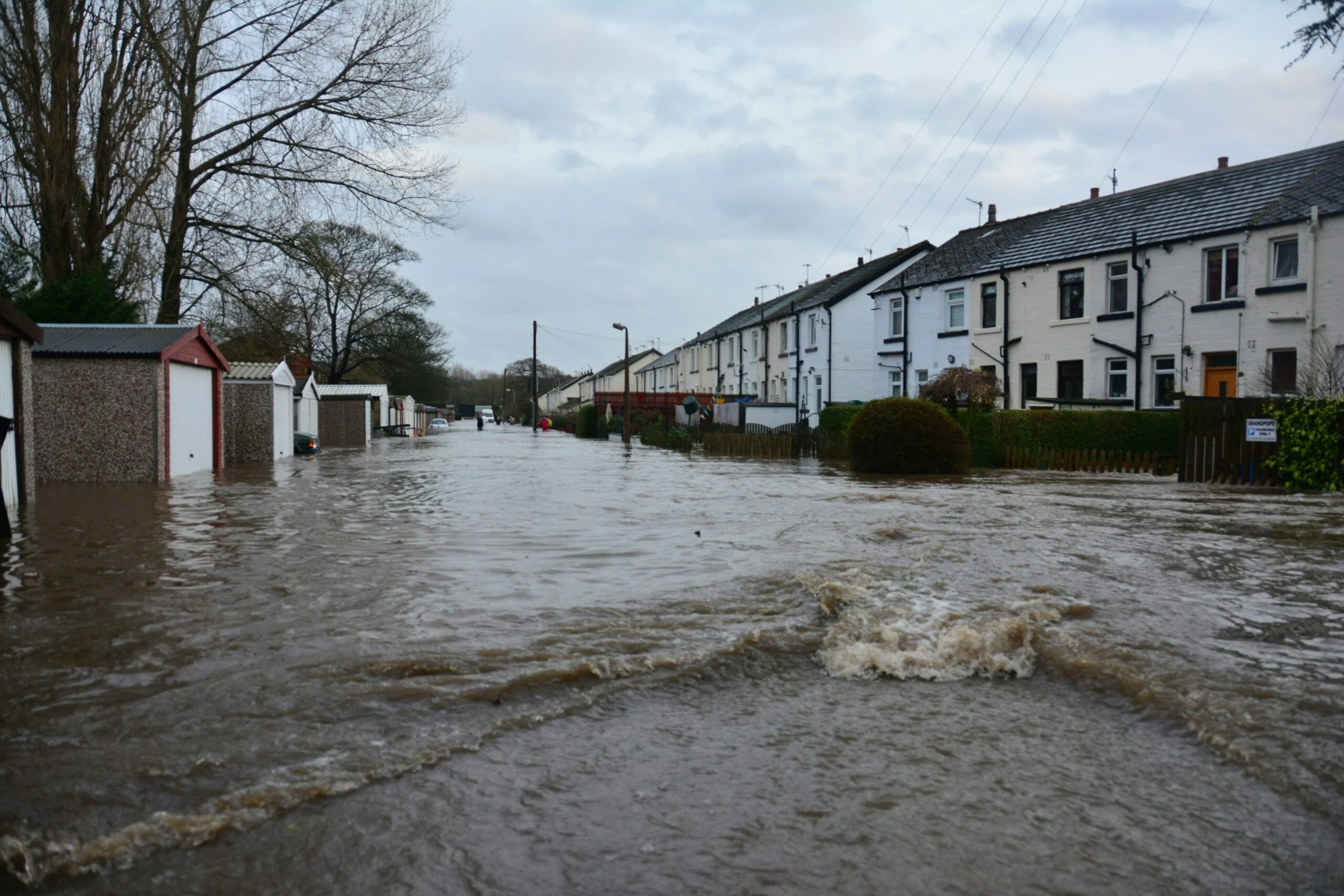
It will also introduce revised policies for flood risk areas and developable areas, requiring developers to take into account climate change when considering potential sites for development.
What are the changes to NPF 4?
Following the announcement that the new Fourth National Planning Framework (NPF4) is to be adopted on the 13th of February – major changes are coming into force with regard to the functional flood plain and developable areas around Scotland.
The Scottish Environment Protection Agency (SEPA) has confirmed that:
“Under the new Fourth National Planning Framework (NPF4) which will be adopted on the 13th February 2023, flood risk areas (previously known as the functional floodplain), will require to include the appropriate allowance for climate change for the region.”
While previously most new development was to be avoided within the functional flood plain (the 1 in 200-year baseline extent), developments with the exception of “Most Vulnerable Use” will now need to be situated out of the Flood Risk Area – aka – 1 in 200-year flood extent plus an appropriate allowance for climate change.
The latest climate change predictions for all of Scotland’s regions can be found in Aegaea’s blog post titled [“Climate Change Allowances in Scotland”].
This policy change to NPF4 will, therefore, affect all residential developments that have not yet been submitted.
It should be noted that the “Most Vulnerable” use case needs to be assessed against the 1 in 1000 year plus climate change – this will apply to:
- Hospitals
- Schools
- Care Homes and
- Holiday Sites
This could mean that for developments located in the Argyll and Tweed River Basin regions, for example, an additional 59% peak flow allowance will be required, on top of the 1 in 200-year flow estimate, to determine the developable area.
This is likely to need flood modelling revisions to establish new levels.
This addition of climate change to the functional floodplain in Scotland will come into force on the 13th of February, 2023, so if your development plot is in or adjacent to the existing functional floodplain, it might be wise to see how the updates could affect your plans.
Please note that this does not account for Compensatory Storage Areas – which can still be incorporated into the development to offset any displaced flood volume.
Functional Flood Plain? Developable Areas? Compensatory Storage?
If your development is likely to be situated in a flood-risk area, or you need further information on how NPF4 may impact your development, we’ve got you covered.
Please get in touch with us here at Aegaea, and we’ll happily guide you through it.
You can also read more about our flood risk assessment services in Scotland.